
1,2,4-Trichlorobenzene isn’t a household name, but if you live anywhere near older industrial sites or textile hubs, it is a volatile organic compound (VOC) that deserves a spot on your radar. I’ve been working in water treatment since 1994, and one thing I’ve learned over thirty years in the field is that synthetic industrial chemical compounds behave very differently from natural minerals like calcium or iron. Here is a straight, no-nonsense look at what this compound is, where it comes from, how it affects health, and how to get it out of your tap.
How It Gets Into Your Water
Historically, 1,2,4-trichlorobenzene was produced primarily for the textile industry, where it served as a dye carrier to help synthetic fibers absorb color during finishing processes. To a lesser extent, industrial operations used it as a heavy solvent and in heat-transfer fluids. The EPA’s listed source for it in drinking water is discharge from textile finishing factories.
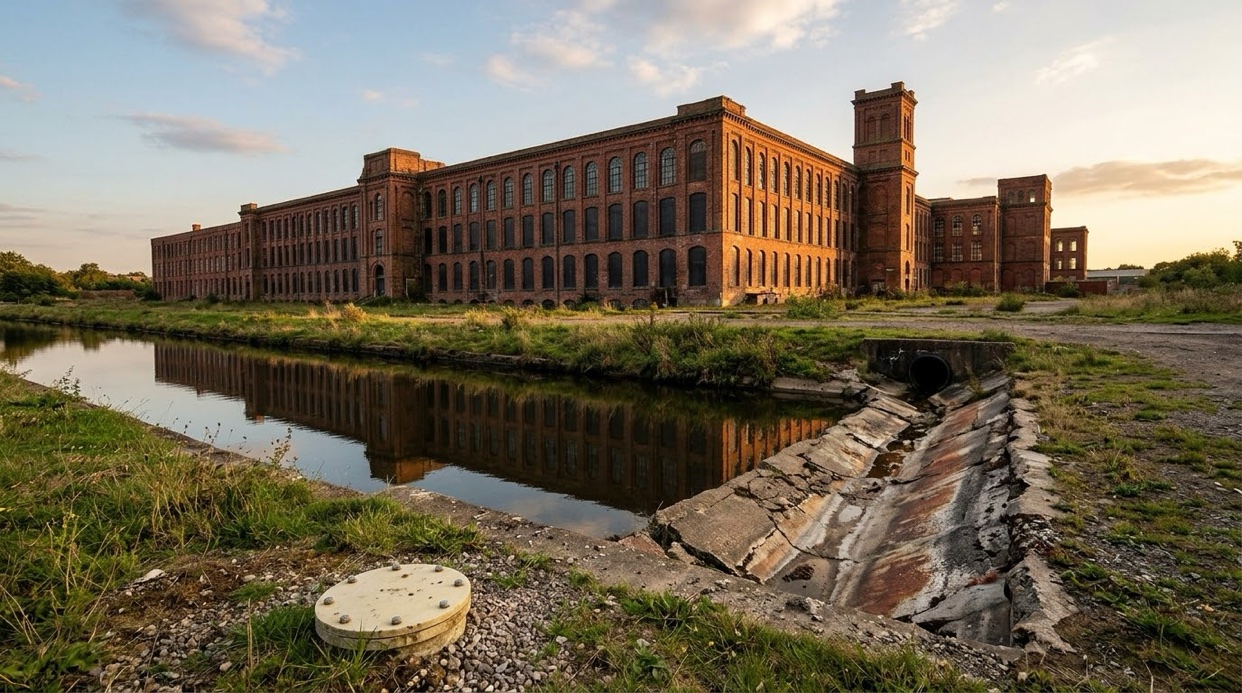
When factories discharge wastewater containing this chemical, it enters nearby surface water or sinks into the ground. Once it hits soil and sediment, it binds tightly to organic matter. Because it breaks down slowly in oxygen-poor environments, it persists in groundwater for years. If a municipal well or private well draws from an aquifer contaminated by historical textile or chemical plant discharges, that compound ends up flowing right through your tap.
What It Can Do to Health
When regulators assess industrial solvents in drinking water, most volatile organic compounds draw concern because they target the liver or kidneys first. That is where the body typically metabolizes harsh synthetic chemicals.
With 1,2,4-trichlorobenzene, the Environmental Protection Agency (EPA) explicitly highlights changes in the adrenal glands as the primary non-cancer health effect from long-term exposure above regulatory thresholds. That specific target tissue makes this compound unusual enough to teach homeowners about. Your adrenal glands produce critical stress response hormones, regulate metabolism, and manage blood pressure. A solvent singling out adrenal gland tissue rather than the liver points to a distinct pattern of biological disruption — which is exactly why keeping levels below the legal limit, and as low as practical, is the smart move.
Public systems test for VOCs routinely. If you are on a private well near an old textile mill or finishing plant, testing is up to you — a certified laboratory can run a VOC panel on a sample of your water.
The EPA Drinking-Water Limit
The EPA sets regulatory standards for drinking water to protect public health over a lifetime of exposure.
- Maximum Contaminant Level Goal (MCLG): 0.07 mg/L (or 70 ppb)
- Maximum Contaminant Level (MCL): 0.07 mg/L (or 70 ppb)
The MCLG is the non-enforceable health goal below which there is no known or expected risk to health. The MCL is the legally enforceable limit that municipal utilities must meet. For 1,2,4-trichlorobenzene, the legal ceiling matches the health goal.
Which Home Filtration Actually Removes It
You do not need an industrial plant setup to remove 1,2,4-trichlorobenzene from your home water, but you do need the right technology.
- Activated Carbon (Primary Treatment): Activated carbon—specifically high-density granular activated carbon (GAC) or solid carbon block media—is the primary and most effective residential barrier for this compound. Because 1,2,4-trichlorobenzene is an organic solvent that shuns water, it readily adsorbs onto the vast porous surface area of carbon media. Point-of-entry whole-house carbon tanks or point-of-use under-sink carbon blocks draw it right out of solution.
- Reverse Osmosis (Backstop Treatment): A point-of-use Reverse Osmosis (RO) system serves as an excellent backstop. While the semi-permeable membrane itself forces out heavy dissolved minerals, a quality RO system always incorporates pre-carbon and post-carbon filter stages. The combination of carbon adsorption and membrane separation ensures complete filtration before water hits your glass.
Understanding Certification Standards
Never buy a water filter based on broad marketing claims printed on the side of the box. Look for independent testing seals from accredited bodies like NSF International or the Water Quality Association (WQA).
To protect your drinking water against 1,2,4-trichlorobenzene, pay attention to two core standards:
- NSF/ANSI Standard 53: Covers drinking water treatment units designed to reduce specific health-related contaminants in tap water. In plain English: a unit certified to Standard 53 has been independently tested for the specific health-related contaminant reduction claims named in its certification. The standard’s name by itself guarantees nothing; the claim list is what counts.
- NSF/ANSI Standard 58: Applies specifically to reverse osmosis systems for health contaminant reduction claims. In plain English: it certifies that an RO system reduces total dissolved solids and the specific contaminants named in its certification — only those named, not everything in the water. The model’s claim list governs.
Here is the key detail most homeowners miss: a general NSF 53 or NSF 58 mark alone does not mean the filter removes every chemical on earth. Certification is modular. A filter can be certified under NSF 53 strictly for lead or chlorine, yet do absolutely nothing for volatile organic compounds. You must check the manufacturer’s performance data sheet to verify that the certification explicitly names 1,2,4-trichlorobenzene (or broader VOC surrogate reduction) on its official claim list.
Facts first, then filter. — Steve
Leave a Reply