Author: iPhilter

  • How Long Can You Store Water? An Installer’s Honest Answer

    How Long Can You Store Water? An Installer’s Honest Answer

    Water itself does not expire. Chemically speaking, H₂O doesn’t rot, spoil, or break down over time.

    When stored water goes bad, it happens for four specific reasons: microbial growth, chemicals migrating out of an unsuitable container, contamination introduced through openings or dirty equipment, and the loss of disinfectant residual over time.

    Understanding how to control these four factors determines whether your stored water stays clean or turns into a hazard.

    Storage Containers: Getting the Foundation Right

    Your water is only as safe as the vessel holding it.

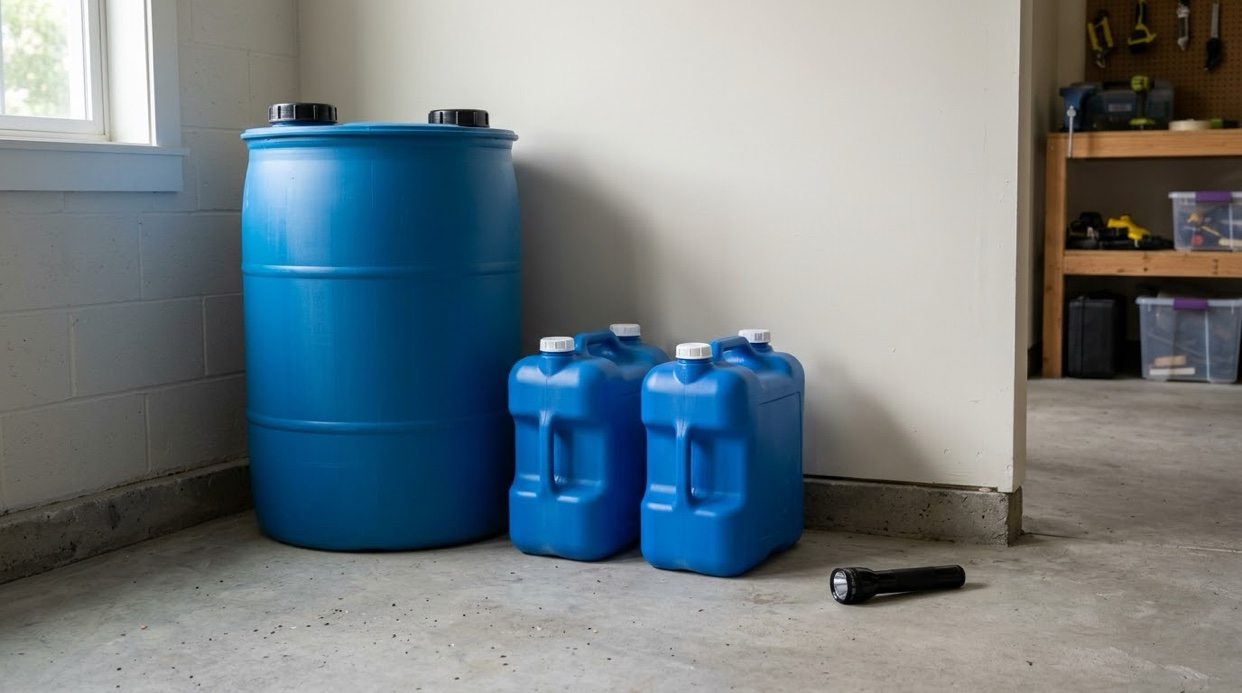
    • Food-Grade Verification: Use food-grade containers confirmed food-grade by the manufacturer. A recycling #2 stamp alone does not prove food-grade status, though HDPE #2 is the standard drum resin.
    • Light and Opacity: Keep stored water out of direct sunlight. Using opaque containers helps prevent light from fueling microbial issues.
    • Prohibited Containers: Never use a container that held detergent, pesticides, petroleum, or other toxic chemicals. Never use a used barrel or IBC tote unless you know exactly what was in it.
    • Design and Sanitation: Choose containers featuring a tight-fitting lid and a narrow opening. Always clean and sanitize the container before filling it.
    • Environment: Store your containers cool — ideally 50 to 70 degrees F — and away from any toxic substances stored nearby.

    Water Rotation Schedules

    The CDC recommends replacing self-filled stored water every 6 months. That is a freshness and reliability standard designed to ensure your supply remains safe and clear of contamination.

    The 6-month rotation timeframe is a recommendation, not a sudden cliff where water turns dangerous on day 181. For commercially bottled water, simply follow its labeled expiration or use-by date.

    Emergency Disinfection Standards

    If you must treat questionable water in an emergency, use regular, unscented liquid household chlorine bleach — no added cleaners or fragrances — and follow the EPA/CDC instructions for the particular product.

    • Clear Water Dosage: Add 8 drops of 6% sodium hypochlorite bleach per gallon of clear water. If using 8.25% bleach, add 6 drops per gallon.
    • Strengths Vary: Bleach is not one strength. Older bottles are 5.25%, most regular bleach today is 6%, and concentrated bleach runs 7.5% to 8.25%. The doses above are the EPA’s published points for 6% and 8.25% — whatever percentage your bottle’s label states is the one that governs.
    • Pool Chlorine: Pool chlorine is stronger — liquid runs 10% to 12.5% — but it is not the bottle for this job; it isn’t labeled for drinking water.
    • Since People Ask — the Stipulations: Liquid pool chlorine is the same chemical as bleach at roughly double strength, but (1) only a jug of plain sodium hypochlorite with no additives — no algaecides, clarifiers, or copper compounds — is even a candidate; (2) no agency publishes a dose for it, so any dose is proportion guesswork, and a mistake at double strength is a doubled mistake; and (3) an opened jug loses strength fast, so the label’s percentage may no longer be true. That is why the official word is household bleach, and pool chlorine stays an improvisation, not a method. Pool shock is calcium hypochlorite — a different chemical and procedure altogether.
    • Process: Stir the mixture thoroughly and let it stand for 30 minutes.
    • Verification: Check for a slight chlorine odor. If you do not smell chlorine, repeat the dosage and wait another 15 minutes.
    • Important Note: This disinfection process is an emergency treatment for questionable water, not a routine step required for clean city water.
    • Bleach Degradation: Keep in mind that household bleach loses its potency over months once opened, so always dose with fresh bleach.

    Hydrogen Peroxide Is Not a Water Disinfectant

    Neither the EPA nor the CDC recommends household 3% hydrogen peroxide for disinfecting drinking water at any drop dose. It does not provide reliable long-term residual protection.

    Commercial Water Preservers

    Commercial water preservers are stabilized sodium hypochlorite formulations EPA-registered for 5-year stored-water use. They are neither magic nor a scam. When evaluating them against standard bleach, compare their active ingredient, EPA registration, specific directions, and overall cost per gallon over time. And read the label: an EPA registration is not a guarantee that every product performs identically, and a five-year claim holds only under the product’s labeled storage conditions.

    The Look-and-Smell Test Does Not Exist

    Disease-causing microorganisms generally cannot be detected by sight, smell, or taste. Water can look perfectly clear and have no unusual odor while still containing harmful pathogens.

    An anecdote about someone drinking old stored water without becoming ill is not evidence of safety. You cannot establish microbiological safety by looking at, smelling, or tasting water.

    Understanding Legionella

    Legionella bacteria grow in warm, stagnant water, particularly around 77 to 113 degrees F. They are commonly associated with showers, hot tubs, cooling towers, and plumbing systems.

    People primarily become infected by inhaling contaminated water droplets. Aspiration of contaminated water is another possible route, but simply drinking water is not the typical transmission pathway.

    The storage lesson is straightforward: keep stored water cool, sealed, and properly maintained.

    Fixing Flat Taste

    Stored water often tastes flat because it has lost dissolved air.

    • Aeration: Pour the water back and forth between two clean containers and let it stand. Aeration improves taste only; it is not a treatment method.
    • Boiled Water: If water was boiled, a pinch of salt per quart improves the flavor. A taste tip only — it does nothing for safety.

    How Much Water to Store

    • Baseline: Store at least 1 gallon per person per day.
    • Duration: The CDC floor is a 3-day supply, but aim for 2 weeks if space allows.
    • Adjustments: Store more for extreme heat, illness, pregnancy, pets, and basic hygiene needs.

    Facts first, then filter. — Steve
  • 3M’s $7.35 Billion PFAS Settlement: What It Means for Your Drinking Water

    3M’s $7.35 Billion PFAS Settlement: What It Means for Your Drinking Water

    What Was Just Announced

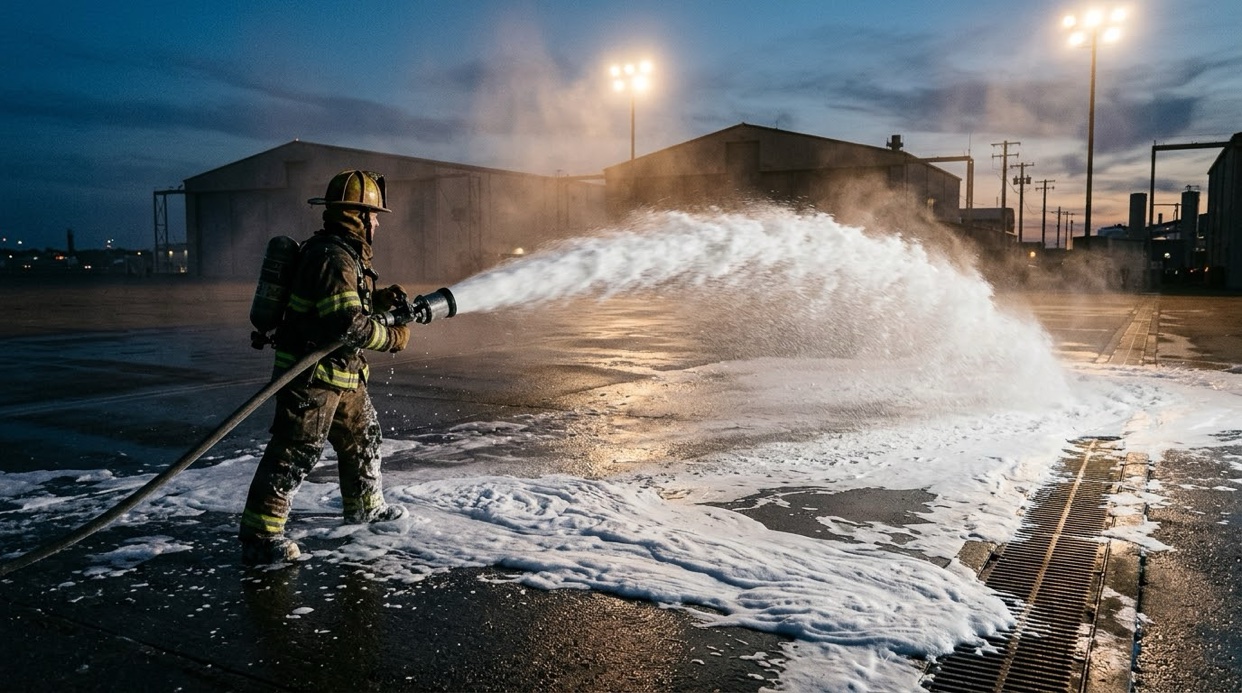
    3M announced a $7.35 billion settlement paid over nine years through 2034, carrying a present value of $5.8 billion, to resolve roughly 99% of current PFAS personal injury claims. The deal addresses approximately 115,000 to 120,000 plaintiffs alleging health damage from exposure through drinking water or through directly handling AFFF firefighting foam—specifically impacting firefighters, military personnel, and airport or fire-training staff. I’ve been working in water treatment since 1994, and PFAS has been the slow-building story of my whole career — so when a settlement this size lands, it pays to read past the headline.

    The agreement covers six eligible injury types in total, with kidney cancer and testicular cancer being the two named publicly. Keep in mind that this is an announced agreement, not a finalized court-approved program yet. Payments depend on plaintiffs opting in, 3M retains the right to terminate the deal if participation drops too low, and 3M admits no liability. This agreement applies exclusively to 3M and does not cover other firefighting foam manufacturers.

    Two 3M Settlements — Don’t Mix Them Up

    It is vital to distinguish this deal from 3M’s earlier 2023 settlement. Under the 2023 agreement, 3M agreed to pay $10.3 billion in present value to public water systems for PFAS testing and infrastructure treatment, which received final court approval in March 2024.

    The core difference is simple: the 2023 money goes directly to water utilities to help clean up supply lines and install treatment systems. The 2026 money goes to injured individuals to resolve personal injury claims, and it pays for zero water treatment or filtration infrastructure.

    Who This Money Goes To

    The $7.35 billion payout is strictly directed to individual plaintiffs who have suffered medical harm—specifically targeting military members, firefighters, airport staff, fire-training personnel, and individuals exposed through contaminated drinking water lines who developed one of the six qualifying conditions. None of these funds flow to municipal budgets, treatment facilities, or environmental remediation.

    What This Means for Your Tap Water

    This settlement changes nothing at your tap today. The payout does not speed up municipal filtration or alter local tap water quality.

    Actual drinking-water safety remains governed by the EPA’s April 2024 rule, which established enforceable limits of 4 parts per trillion (ppt) each for PFOA and PFOS. Public water utilities across the country are legally required to bring their systems into full compliance with these standards by April 2029.

    How Home Filtration Fits In

    If you want to remove PFAS at your own fixture, reverse osmosis systems and quality activated carbon filters are the proven home options.

    However, you have to read the fine print on performance claims. Never trust a bare “NSF certified” stamp on a box. A generic certification might only mean the housing won’t leak or that it reduces basic chlorine taste. For real protection, the filter’s official certification documentation must explicitly list PFAS or the specific compounds (like PFOA and PFOS) on its performance data claim sheet. If the specific compound isn’t listed by name under the certification standard, don’t assume the filter touches it.

    Facts first, then filter. — Steve
  • 1,2,4-Trichlorobenzene in Drinking Water: What You Should Know

    1,2,4-Trichlorobenzene in Drinking Water: What You Should Know

    1,2,4-Trichlorobenzene isn’t a household name, but if you live anywhere near older industrial sites or textile hubs, it is a volatile organic compound (VOC) that deserves a spot on your radar. I’ve been working in water treatment since 1994, and one thing I’ve learned over thirty years in the field is that synthetic industrial chemical compounds behave very differently from natural minerals like calcium or iron. Here is a straight, no-nonsense look at what this compound is, where it comes from, how it affects health, and how to get it out of your tap.

    How It Gets Into Your Water

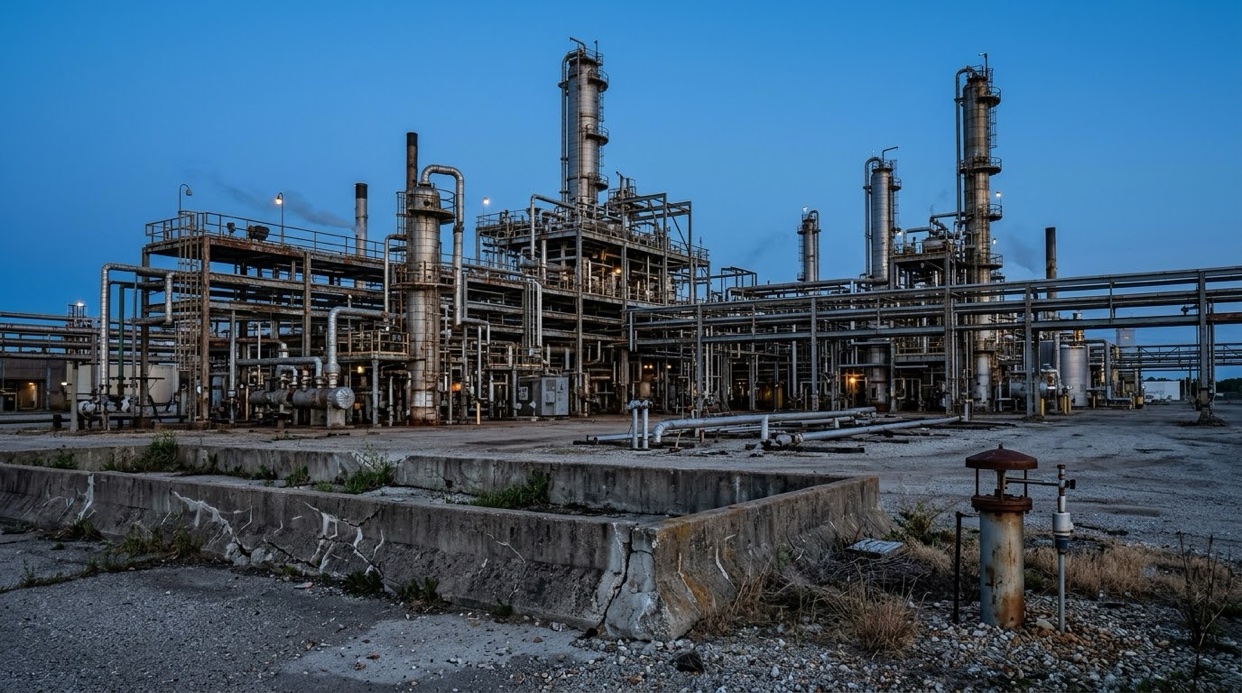
    Historically, 1,2,4-trichlorobenzene was produced primarily for the textile industry, where it served as a dye carrier to help synthetic fibers absorb color during finishing processes. To a lesser extent, industrial operations used it as a heavy solvent and in heat-transfer fluids. The EPA’s listed source for it in drinking water is discharge from textile finishing factories.

    When factories discharge wastewater containing this chemical, it enters nearby surface water or sinks into the ground. Once it hits soil and sediment, it binds tightly to organic matter. Because it breaks down slowly in oxygen-poor environments, it persists in groundwater for years. If a municipal well or private well draws from an aquifer contaminated by historical textile or chemical plant discharges, that compound ends up flowing right through your tap.

    What It Can Do to Health

    When regulators assess industrial solvents in drinking water, most volatile organic compounds draw concern because they target the liver or kidneys first. That is where the body typically metabolizes harsh synthetic chemicals.

    With 1,2,4-trichlorobenzene, the Environmental Protection Agency (EPA) explicitly highlights changes in the adrenal glands as the primary non-cancer health effect from long-term exposure above regulatory thresholds. That specific target tissue makes this compound unusual enough to teach homeowners about. Your adrenal glands produce critical stress response hormones, regulate metabolism, and manage blood pressure. A solvent singling out adrenal gland tissue rather than the liver points to a distinct pattern of biological disruption — which is exactly why keeping levels below the legal limit, and as low as practical, is the smart move.

    Public systems test for VOCs routinely. If you are on a private well near an old textile mill or finishing plant, testing is up to you — a certified laboratory can run a VOC panel on a sample of your water.

    The EPA Drinking-Water Limit

    The EPA sets regulatory standards for drinking water to protect public health over a lifetime of exposure.

    • Maximum Contaminant Level Goal (MCLG): 0.07 mg/L (or 70 ppb)
    • Maximum Contaminant Level (MCL): 0.07 mg/L (or 70 ppb)

    The MCLG is the non-enforceable health goal below which there is no known or expected risk to health. The MCL is the legally enforceable limit that municipal utilities must meet. For 1,2,4-trichlorobenzene, the legal ceiling matches the health goal.

    Which Home Filtration Actually Removes It

    You do not need an industrial plant setup to remove 1,2,4-trichlorobenzene from your home water, but you do need the right technology.

    • Activated Carbon (Primary Treatment): Activated carbon—specifically high-density granular activated carbon (GAC) or solid carbon block media—is the primary and most effective residential barrier for this compound. Because 1,2,4-trichlorobenzene is an organic solvent that shuns water, it readily adsorbs onto the vast porous surface area of carbon media. Point-of-entry whole-house carbon tanks or point-of-use under-sink carbon blocks draw it right out of solution.
    • Reverse Osmosis (Backstop Treatment): A point-of-use Reverse Osmosis (RO) system serves as an excellent backstop. While the semi-permeable membrane itself forces out heavy dissolved minerals, a quality RO system always incorporates pre-carbon and post-carbon filter stages. The combination of carbon adsorption and membrane separation ensures complete filtration before water hits your glass.

    Understanding Certification Standards

    Never buy a water filter based on broad marketing claims printed on the side of the box. Look for independent testing seals from accredited bodies like NSF International or the Water Quality Association (WQA).

    To protect your drinking water against 1,2,4-trichlorobenzene, pay attention to two core standards:

    • NSF/ANSI Standard 53: Covers drinking water treatment units designed to reduce specific health-related contaminants in tap water. In plain English: a unit certified to Standard 53 has been independently tested for the specific health-related contaminant reduction claims named in its certification. The standard’s name by itself guarantees nothing; the claim list is what counts.
    • NSF/ANSI Standard 58: Applies specifically to reverse osmosis systems for health contaminant reduction claims. In plain English: it certifies that an RO system reduces total dissolved solids and the specific contaminants named in its certification — only those named, not everything in the water. The model’s claim list governs.

    Here is the key detail most homeowners miss: a general NSF 53 or NSF 58 mark alone does not mean the filter removes every chemical on earth. Certification is modular. A filter can be certified under NSF 53 strictly for lead or chlorine, yet do absolutely nothing for volatile organic compounds. You must check the manufacturer’s performance data sheet to verify that the certification explicitly names 1,2,4-trichlorobenzene (or broader VOC surrogate reduction) on its official claim list.

    Facts first, then filter. — Steve
  • 1,2-Dichloroethane in Drinking Water: What You Should Know

    1,2-Dichloroethane in Drinking Water: What You Should Know

    1,2-Dichloroethane—commonly known in the chemical trade as ethylene dichloride—is one of the highest-volume synthetic industrial chemicals produced in the United States. Working in water treatment since 1994, I’ve learned that the chemicals made in the largest volumes are the ones that turn up in the most wells. If you’re reviewing a municipal Consumer Confidence Report or evaluating detailed laboratory water testing for a private well, this volatile organic compound (VOC) is one you should understand. While it doesn’t get as much everyday public name recognition as simple solvents, its massive scale in manufacturing makes it a persistent concern for underground water tables.

    How It Gets Into Your Water

    1,2-Dichloroethane is manufactured on a massive scale, used overwhelmingly as the primary chemical building block to produce vinyl chloride monomer, which is then processed into polyvinyl chloride (PVC) plastic. Beyond its dominant role in plastics, it historically served as an industrial solvent and chemical intermediate, and for decades was blended into leaded gasoline as an anti-knock additive scavenger.

    The EPA’s official listed source for 1,2-dichloroethane in public drinking water supplies is discharge from industrial chemical factories. Over decades of high-volume manufacturing, chemical spills, underground storage tank leaks, and unlined waste disposal at plant sites introduced substantial quantities into the soil. Once in the ground, 1,2-dichloroethane dissolves easily in water, moves readily through soil layers, and persists in underground aquifers without breaking down quickly, forming long-lasting contamination plumes that can reach both municipal supply wells and private residential wells.

    What It Can Do to Health

    When evaluating VOCs in drinking water, federal health regulators look closely at chronic exposure over a lifetime. The health effect the EPA lists for long-term exposure above the limit is an increased risk of cancer—and that single line is the whole story of this chemical in drinking water.

    That table line sits on a formal classification behind it. Separately from the drinking-water table, the EPA’s IRIS program classifies 1,2-dichloroethane as a probable human carcinogen (Group B2), based on several types of tumors induced in rats and mice in laboratory studies. Because the EPA treats it as a carcinogen with no proven safe threshold, federal toxicologists evaluate it under non-threshold risk models—and that is why its health goal, covered in the next section, is zero.

    Public systems test for VOCs routinely. If you are on a private well near an industrial chemical plant or an old waste site, testing is up to you—a certified laboratory can run a VOC panel on a sample of your water.

    The EPA Drinking-Water Limit

    Federal standards for 1,2-dichloroethane are set under the Safe Drinking Water Act:

    • Maximum Contaminant Level Goal (MCLG): 0 mg/L (or 0 ppb).
    • Maximum Contaminant Level (MCL): 0.005 mg/L (or 5 ppb).

    Understanding the gap between these two numbers is critical. The health goal (MCLG) is set at exactly zero because the EPA’s policy for suspected or known carcinogens assumes there is no known threshold level of exposure below which the risk of cancer is proven to be strictly zero. However, the health goal is non-enforceable. The enforceable limit (MCL) is set at 0.005 mg/L (5 ppb)—the lowest concentration that water utilities can reliably measure, monitor, and treat on a municipal scale using Best Available Technology.

    Which Home Filtration Actually Removes It

    If lab tests confirm 1,2-dichloroethane in your water supply, standard mechanical filters (like sediment cartridges) and conventional water softeners will not touch it. You need treatment technology designed specifically for volatile organic chemicals:

    • Activated Carbon Filtration (GAC & Solid Carbon Block): Granular activated carbon (GAC) and solid carbon block filters are your main frontline defense. Activated carbon features a vast porous surface area that physically adsorbs organic chemical molecules like 1,2-dichloroethane as water flows through the bed.
    • Reverse Osmosis (RO): A point-of-use reverse osmosis system acts as an effective secondary backstop. RO systems pair carbon pre- and post-filtration with a semi-permeable membrane, giving you multiple barriers of protection against VOC pass-through at the tap.

    Understanding Certification Standards

    The water treatment industry is filled with vague marketing language like “reduces harsh chemicals.” When dealing with industrial VOCs, you need verified independent proof. Look for filtration equipment certified under these core standards—and read what each seal actually covers:

    • NSF/ANSI Standard 53: This is the health-effects standard for drinking water treatment units. In plain English: a unit certified to Standard 53 has been independently tested for the specific health-related contaminant reduction claims named in its certification. Its VOC reduction claim is the one that matters here: a unit certified for VOC reduction has been tested with a surrogate chemical (chloroform) standing in for a defined list of volatile organic chemicals—and 1,2-dichloroethane is on that list.
    • NSF/ANSI Standard 58: This is the performance standard for reverse osmosis systems. In plain English: it certifies that an RO system reduces total dissolved solids and the specific contaminants named in its certification—VOC reduction is one of the claims a model may carry, so check the model’s claim list for it.

    A certification seal by itself proves only that the unit was tested for the claims on its list—it does not mean the filter removes every chemical. You must examine the manufacturer’s official Performance Data Sheet or look up the unit in an accredited independent certification directory (such as NSF, WQA, or IAPMO) to confirm that 1,2-dichloroethane (or ethylene dichloride) is explicitly listed as a certified reduction claim. If it is not listed by name on the official documentation, do not rely on the filter to remove it.

    Facts first, then filter. — Steve

  • 1,1-Dichloroethylene in Drinking Water: What You Should Know

    1,1-Dichloroethylene in Drinking Water: What You Should Know

    1,1-Dichloroethylene—known in industrial chemistry as vinylidene chloride—is a synthetic volatile organic compound (VOC) that sits on the federal list of regulated drinking water contaminants. Working in water treatment since 1994, I’ve watched chemicals like this one outlive the factories that made them. If you’re reading through your municipal water quality report or reviewing certified lab testing for a private well, this is a chemical you want to pay attention to. While it isn’t something you’d buy off a retail shelf, decades of industrial manufacturing and disposal have left it as a lingering legacy contaminant in groundwaters across the country.

    How It Gets Into Your Water

    1,1-Dichloroethylene is primarily manufactured as a core chemical building block used to produce plastics, synthetic polymers, and latex copolymers. Its most common application is in creating polyvinylidene chloride (PVDC) films and coatings—the barrier coatings widely used in food packaging to keep moisture out, as well as in flame-retardant coatings for fabrics and carpets.

    Because it is synthesized and processed at large-scale industrial chemical plants, environmental contamination typically traces back to manufacturing facilities. The EPA’s listed source for 1,1-dichloroethylene in drinking water is discharge from industrial chemical factories. Industrial wastewater discharges, chemical spills during transport or handling, and unlined or leaking hazardous waste sites are the primary entry points allowing the chemical to reach soil and water tables.

    1,1-Dichloroethylene is highly volatile. If it enters open surface waters like streams, rivers, or lakes, a significant portion of it escapes into the air through evaporation. However, when spills or leaks seep down into the soil, the chemical travels downward into aquifers. Once trapped underground in an aquifer—shielded from air exposure and sunlight—it loses that pathway for evaporation. In that oxygen-deprived environment, it persists for long periods, forming stable contamination plumes that can migrate toward private and municipal wells.

    What It Can Do to Health

    The U.S. Environmental Protection Agency evaluates volatile organic chemicals in public water supplies primarily through the lens of long-term, chronic exposure. The health effect the EPA lists for long-term exposure above the limit is liver problems—plain as that. The liver is this chemical’s target, and that’s what the federal standard is built around. Because it is a synthetic industrial compound with no beneficial presence in the human body, federal safety thresholds are enforced to restrict human ingestion.

    Public systems test for VOCs routinely. If you are on a private well near an old industrial chemical site, testing is up to you—a certified laboratory can run a VOC panel on a sample of your water.

    The EPA Drinking-Water Limit

    Federal safety limits for 1,1-dichloroethylene are established under the Safe Drinking Water Act:

    • Maximum Contaminant Level Goal (MCLG): 0.007 mg/L (or 7 ppb). This non-enforceable health benchmark represents the level in drinking water below which there is no known or expected risk to health, allowing for a margin of safety.
    • Maximum Contaminant Level (MCL): 0.007 mg/L (or 7 ppb). This is the legally enforceable federal standard that public water utilities must not exceed.

    Because the health goal and the enforceable limit are set at the exact same number, any public water system detecting 1,1-dichloroethylene above 7 parts per billion is in direct violation of federal standards and must take immediate corrective action or issue public notifications.

    Which Home Filtration Actually Removes It

    Standard mechanical filters (like sediment screens) and conventional water softeners do nothing to remove dissolved volatile organic chemicals like 1,1-dichloroethylene. Stripping synthetic solvents out of tap water requires media specifically designed to capture small organic molecules:

    • Activated Carbon Filtration (GAC & Solid Carbon Block): Granular activated carbon (GAC) and solid carbon block filters are your primary frontline defense. Organic chemical molecules stick to the vast internal pore structure of activated carbon through a physical process called adsorption as water flows through the bed.
    • Reverse Osmosis (RO): Point-of-use reverse osmosis systems serve as an effective backstop. RO units combine high-density carbon pre- and post-filtration with a semi-permeable membrane barrier, giving you multi-stage protection against VOC pass-through at the tap.

    Understanding Certification Standards

    The water treatment market is filled with broad, non-specific claims like “reduces chemical taste” or “tested to NSF standards.” You shouldn’t rely on general marketing when dealing with industrial solvents. Look for third-party testing and validation under these exact standards—and read what each seal actually covers:

    • NSF/ANSI Standard 53: This is the health-effects standard for drinking water treatment units. In plain English: a unit certified to Standard 53 has been independently tested for the specific health-related contaminant reduction claims named in its certification. Its VOC reduction claim is the one that matters here: a unit certified for VOC reduction has been tested with a surrogate chemical (chloroform) standing in for a defined list of volatile organic chemicals—and 1,1-dichloroethylene is on that list.
    • NSF/ANSI Standard 58: This is the performance standard for reverse osmosis systems. In plain English: it certifies that an RO system reduces total dissolved solids and the specific contaminants named in its certification—VOC reduction is one of the claims a model may carry, so check the model’s claim list for it.

    A certification seal by itself proves only that the unit was tested for the claims on its list—it does not mean it removes every chemical. You must check the manufacturer’s official Performance Data Sheet or verify the unit in an independent directory (such as NSF, WQA, or IAPMO) to confirm that 1,1-dichloroethylene (or vinylidene chloride) is explicitly named as a certified reduction claim. If it is not listed by name on the official paperwork, do not assume the filter will remove it.

    Facts first, then filter. — Steve

  • 1,1,2-Trichloroethane in Drinking Water: What You Should Know

    1,1,2-Trichloroethane in Drinking Water: What You Should Know

    1,1,2-Trichloroethane is the lesser-known sibling of 1,1,1-trichloroethane, but after working in water treatment since 1994, I’ve learned that lesser-known doesn’t mean less important. While 1,1,1-trichloroethane got most of the public attention as a widespread industrial degreaser, 1,1,2-trichloroethane was working behind the scenes in chemical plants. If you’ve been reviewing a municipal water quality report or analyzing private well testing data for volatile organic compounds (VOCs), this is a solvent you need to understand.

    How It Gets Into Your Water

    Unlike its sibling, 1,1,2-trichloroethane was never a household name or a shelf product you’d buy at a hardware store. Instead, industry used it primarily as a chemical intermediate — a key building block in manufacturing vinylidene chloride and other chlorinated products — as well as an industrial solvent for dissolving fats, oils, waxes, and resins. The EPA’s listed source for it in drinking water is discharge from industrial chemical factories.

    Even though it wasn’t used in everyday consumer items, it was produced, handled, and stored at the exact same types of industrial facilities, chemical factories, and hazardous waste disposal sites. Decades of accidental surface spills, underground tank leaks, and unlined landfill disposal allowed the chemical to seep into the ground. Once it hits the earth, 1,1,2-trichloroethane passes through soil layers and migrates straight into groundwater. Because it resists natural degradation, it persists in underground aquifers for years, creating long-lasting contamination plumes that travel toward municipal supply wells and private residential wells.

    What It Can Do to Health

    The health effects the EPA lists for long-term exposure above the limit are liver, kidney, or immune system problems. The federal focus is what chronic exposure does over years — drinking water above the safety limit for an extended period, not a one-time sip. The EPA also classifies 1,1,2-trichloroethane as a possible human carcinogen (Group C in its IRIS assessment), based on liver tumors in animal studies.

    Public systems test for VOCs routinely. If you are on a private well near an old chemical plant or waste site, testing is up to you — a certified laboratory can run a VOC panel on a sample of your water.

    The EPA Drinking-Water Limit

    Federal standards for 1,1,2-trichloroethane are enforced under the Safe Drinking Water Act. The EPA has established the following limits for public water supplies:

    • Maximum Contaminant Level Goal (MCLG): 0.003 mg/L (or 3 ppb). This is the non-enforceable health benchmark set at a level where no known or expected adverse health risks occur.
    • Maximum Contaminant Level (MCL): 0.005 mg/L (or 5 ppb). This is the legally enforceable federal standard that public water utilities are required by law to meet and maintain.

    One state note, because it matters locally: New Jersey goes further. Its state MCL for 1,1,2-trichloroethane is 3 ppb — stricter than the federal 5 ppb, which remains the baseline everywhere else.

    Which Home Filtration Actually Removes It

    If lab testing shows 1,1,2-trichloroethane in your water, standard pitcher filters, sediment screens, and typical ion-exchange water softeners won’t do a thing to pull it out. You need media specifically engineered for volatile organic chemicals:

    • Granular Activated Carbon (GAC) & Solid Carbon Block: Carbon filtration is your primary frontline defense. Organic chemical molecules like 1,1,2-trichloroethane are physically adsorbed onto the massive porous surface area of activated carbon as water flows through the filter bed.
    • Reverse Osmosis (RO): A point-of-use reverse osmosis system acts as a reliable backstop. RO units incorporate high-density carbon pre- and post-filters alongside a semi-permeable membrane, giving you multiple barriers of protection against VOC pass-through.

    Understanding Certification Standards

    Don’t buy a water filter based on flashy boxes, vague marketing claims, or general statements like “reduces chemicals.” You need third-party proof — and you need to know what each seal actually covers:

    • NSF/ANSI Standard 53: This is the health-effects standard for drinking water treatment units. In plain English: a unit certified to Standard 53 has been independently tested for the specific health-related contaminant reduction claims named in its certification. The standard’s name by itself guarantees nothing; the claim list is what counts.
    • NSF/ANSI Standard 58: This is the performance standard for reverse osmosis systems. In plain English: it certifies that an RO system reduces total dissolved solids and the specific contaminants named in its certification — only those named, not everything in the water.

    A seal proves the unit was tested under the standard’s protocol; it does not mean it removes every contaminant. You must look at the manufacturer’s official Performance Data Sheet or the independent certification directory (from NSF, WQA, or IAPMO) and verify that 1,1,2-trichloroethane is explicitly listed by name with a certified reduction claim. If it isn’t listed on the sheet, don’t rely on it.

    Facts first, then filter. — Steve
  • 1,1,1-Trichloroethane in Drinking Water: What You Should Know

    1,1,1-Trichloroethane in Drinking Water: What You Should Know

    1,1,1-Trichloroethane — often referred to in the trade as methyl chloroform — was for decades one of American industry’s workhorse synthetic solvents. Working in water treatment since 1994, I started right at the end of its working life, and I’ve been explaining its leftovers in well tests ever since. If you’ve been looking over local water quality reports or digging into volatile organic compounds (VOCs) in groundwater, you might have spotted it listed among regulated chemicals. Even though production was halted worldwide decades ago, it remains an environmental legacy pollutant that occasionally shows up in municipal systems and private wells near historical industrial centers.

    How It Gets Into Your Water

    Back when 1,1,1-trichloroethane was in widespread use, it served primarily as a heavy-duty metal degreaser in factories, auto repair shops, and electronics manufacturing plants, alongside being a solvent in commercial paints, adhesives, and correction fluids. The EPA’s listed source for it in drinking water is discharge from metal degreasing sites and other factories. Because it is a potent ozone-depleting substance, its manufacture was phased out globally in the mid-1990s under international environmental agreements. However, chemicals don’t simply disappear because a factory closes. Accidental surface spills, leaking industrial storage tanks, and careless waste disposal practices sent considerable volumes of this solvent straight into the ground. Once underground, 1,1,1-trichloroethane moves relatively easily through sandy or gravelly aquifers, forming underground plumes that can persist and linger in water tables for generations.

    What It Can Do to Health

    The health effects the EPA lists for long-term exposure above the limit are liver, nervous system, or circulatory problems — those are the three systems this solvent goes after. The federal concern is chronic exposure: drinking water with 1,1,1-trichloroethane above the legal limit over many years, not a single glass. That is why federal standards exist to keep it out of the tap.

    Public systems test for VOCs routinely. If you are on a private well near an old factory, degreasing shop, or waste site, testing is up to you — a certified laboratory can run a VOC panel on a sample of your water.

    The EPA Drinking-Water Limit

    Federal safety limits for this contaminant are tightly defined under the Safe Drinking Water Act. The Maximum Contaminant Level Goal (MCLG) — the non-enforceable health goal — is set at 0.20 mg/L, which equals 200 parts per billion (ppb). The legally enforceable Maximum Contaminant Level (MCL) for public water systems is 0.2 mg/L, the same 200 ppb. Here the health goal and the legal limit are the exact same number: what the EPA considers the safe level is what utilities are legally held to. If a municipal water utility detects test results pushing toward or crossing that threshold, it is legally required to institute treatment upgrades or issue public warnings.

    Which Home Filtration Actually Removes It

    If laboratory water testing confirms the presence of 1,1,1-trichloroethane in your supply, basic sediment filters or standard water softeners won’t touch it. You need treatment specifically engineered to strip out volatile organic chemicals:

    • Granular activated carbon (GAC) and solid carbon block: This is the primary, most effective frontline home treatment. These filters pull the contaminant out of the water through adsorption, locking its molecules onto the carbon’s high surface area as water flows through the media.
    • Reverse osmosis (RO): A certified RO system works as a robust backup or secondary barrier. The carbon stages in an RO unit do the heavy lifting for VOC removal; the membrane is the backstop.

    Understanding Certification Standards

    The water treatment marketplace is full of marketing noise, so you need to look at hard facts. If you’re buying a carbon or RO system to deal with industrial VOCs, look for independent third-party certification — and read what each seal actually covers:

    • NSF/ANSI Standard 53: This is the health-effects standard for drinking water treatment units. In plain English: a unit certified to Standard 53 has been independently tested for the specific health-related contaminant reduction claims named in its certification — for a solvent like this one, the claim that matters is VOC reduction. The standard’s name by itself guarantees nothing; the claim list is what counts.
    • NSF/ANSI Standard 58: This is the performance standard for reverse osmosis systems. In plain English: it certifies that an RO system reduces total dissolved solids and the specific contaminants named in its certification — only those named, not everything in the water.

    A generic eco-seal or broad manufacturer claim on the box doesn’t cut it. The filter’s official performance data sheet or certification listing must explicitly name 1,1,1-trichloroethane as a certified reduction claim. If the paperwork doesn’t list the contaminant by name, don’t rely on it to protect your family.

    Facts first, then filter. — Steve

  • Heptachlor Epoxide in Drinking Water: What You Should Know

    Heptachlor Epoxide in Drinking Water: What You Should Know

    Heptachlor epoxide is not a chemical compound that anyone ever manufactured, packaged, or sprayed on a field. It is the oxidation byproduct formed when bacteria, soil processes, or living organisms break down the organochlorine pesticide heptachlor. I’ve been working in water treatment since 1994, and this is the contaminant I have to explain twice: nobody ever bought it or applied it — the ground made it, out of a pesticide banned decades ago.

    Once formed, heptachlor epoxide is significantly more chemically stable, persistent, and resistant to environmental degradation than its parent chemical.

    How It Gets Into Your Water

    The EPA’s listed source for heptachlor epoxide in drinking water is, word for word, “Breakdown of heptachlor.” Because the epoxide is far more persistent than heptachlor itself, it is actually the form most likely to be detected in groundwater and private drinking wells today.

    Most agricultural uses of heptachlor were cancelled in the late 1970s, and all structural termite treatments ended in 1988. However, heptachlor applied to soil around house foundations or farm fields decades ago transformed into heptachlor epoxide. Because this breakdown product binds tightly to soil while degrading extremely slowly, rainwater recharge and underground movement continue to leach trace amounts into local aquifers and rural wells long after the original applications ceased.

    What It Can Do to Health

    The health effects the EPA lists for long-term exposure to heptachlor epoxide above the limit are liver damage and an increased risk of cancer. Like its parent, it builds up in the body’s fatty tissue rather than flushing through, which is part of why it stays a concern at very low levels. Because of the cancer risk, the EPA’s health goal (MCLG) for heptachlor epoxide is zero.

    Public systems monitor for heptachlor epoxide separately from heptachlor. If you are on a private well near historic agricultural land or an older home treated for termites before 1988, testing is up to you — a certified laboratory can include both heptachlor and its epoxide in a pesticide panel.

    The EPA Drinking-Water Limit

    Because of its persistence, the EPA regulates heptachlor epoxide under its own separate enforceable drinking water standard — at half the level allowed for heptachlor itself:

    • Maximum Contaminant Level (MCL): 0.0002 mg/L (0.2 ppb)
    • Maximum Contaminant Level Goal (MCLG): 0 mg/L (0 ppb)

    The health goal (MCLG) is set to zero because the EPA considers heptachlor epoxide a probable human carcinogen. The legally enforceable Maximum Contaminant Level (MCL) for public water suppliers is 0.0002 mg/L (0.2 parts per billion). Public utilities monitor for this compound, but private well owners living near historic agricultural land or older homes must conduct their own certified laboratory testing.

    Which Home Filtration Actually Removes It

    To strip persistent synthetic organic chemicals like heptachlor epoxide out of your home’s drinking water, standard sediment mesh or simple pitcher filters will not work. You need targeted treatment technologies:

    • Activated Carbon (Granular Activated Carbon & Carbon Block): High-grade activated carbon serves as the primary and most effective residential defense against organic pesticides. As water flows through the filter bed, heptachlor epoxide molecules adhere to the vast internal surface area of the carbon media through adsorption.
    • Reverse Osmosis (RO): A point-of-use reverse osmosis system acts as an excellent multi-stage backstop. The RO membrane physically rejects complex organic molecules, while the integrated pre-carbon and post-carbon filter stages adsorb remaining organic chemical residues.

    Understanding Certification Standards

    Never assume a home filter removes a chemical just because the box broadly claims to “clean water” or “reduce pesticides.” You must verify that the system has been independently tested and certified — and know what the seal actually covers:

    • NSF/ANSI Standard 53: This is the health-effects standard for drinking water treatment units. In plain English: a unit certified under Standard 53 has been tested for the specific health-related contaminant reduction claims named in its certification — specific organic chemicals, pesticides, and herbicides count only when they are listed for that model.
    • NSF/ANSI Standard 58: This is the performance standard for reverse osmosis systems. It certifies that an RO system reduces total dissolved solids and the specific health-related contaminant reduction claims named in its certification.

    A certification logo demonstrates that the equipment passed strict laboratory evaluation, but you must check the unit’s official Performance Data Sheet. The manufacturer’s documentation must explicitly name heptachlor epoxide under its verified reduction claims. If the exact chemical name isn’t printed on that data sheet, you cannot count on the filter to remove it.

    Facts first, then filter. — Steve

  • Heptachlor in Drinking Water: What You Should Know

    Heptachlor in Drinking Water: What You Should Know

    Heptachlor is a human-made chemical, part of the chlorinated insecticide family. We used it for decades in the U.S. to kill insects on farm crops, particularly corn. Like its close chemical relative chlordane, its most extensive use was being pumped directly into the soil surrounding home foundations for termite control. I’ve been working in water treatment since 1994 — heptachlor was already banned by then, and wells near old farm fields and treated foundations are still turning it up. That’s the whole story of this chemical: it was built to last, and it does.

    Because of environmental concerns and health risks, the U.S. Environmental Protection Agency (EPA) canceled most of heptachlor’s uses by 1978. Its last use around homes — termite control — ended in 1988, the same year chlordane’s did.

    How It Gets Into Your Water

    The EPA’s listed source for heptachlor in drinking water is “residue of banned termiticide” — what was pumped into the soil around foundations decades ago is still there. Even though it hasn’t been applied for decades, heptachlor doesn’t just disappear. It binds tightly to soil particles and is extremely persistent. In the soil, and inside the human body, heptachlor is converted by bacteria and metabolic processes into heptachlor epoxide. The epoxide is an even more chemically stable breakdown product, meaning it lasts longer in the environment than the original heptachlor.

    When regulatory agencies and water professionals evaluate the risk of this chemical, they almost always discuss heptachlor and heptachlor epoxide together as a pair — the EPA regulates each one separately, with its own limit.

    Both forms can linger in the soil around treated foundations and old farmland, potentially leaching down into groundwater aquifers for decades. They are primarily a concern for private well owners located in or near areas with this historical footprint.

    What It Can Do to Health

    The health effects the EPA lists for long-term exposure to heptachlor above the limit are liver damage and an increased risk of cancer. Because of that cancer risk, the EPA’s health goal (MCLG) for heptachlor is zero — there is no level the agency considers completely safe.

    Public systems test for heptachlor as part of their required monitoring. If you are on a private well near old farmland or a home that was treated for termites before 1988, testing is up to you — a certified laboratory can run a pesticide panel on a sample of your water.

    The EPA Drinking-Water Limit

    Public water systems have a legal obligation to test for heptachlor and maintain levels below the federal limit:

    • Maximum Contaminant Level (MCL): 0.0004 mg/L (0.4 ppb)
    • Maximum Contaminant Level Goal (MCLG): 0 mg/L (0 ppb)

    The health goal is zero because the EPA considers heptachlor a probable carcinogen. The legal limit is set at the lowest level that utilities can reliably detect and enforce. Private well owners, who are not protected by public water rules, are responsible for their own testing and treatment.

    Which Home Filtration Actually Removes It

    When dealing with complex organic chemicals like heptachlor, you can’t rely on basic particle filters. You need technology designed to create a molecular attraction or physical barrier.

    • Activated Carbon: This is the primary and most effective residential treatment. High-quality activated carbon, particularly in solid block form, functions like a sponge through a process called adsorption. As water moves through the filter, heptachlor and heptachlor epoxide molecules adhere to the massive internal surface area of the carbon media, pulling them out of the water stream.
    • Reverse Osmosis (RO): A point-of-use RO system acts as an excellent final backstop. While an RO membrane is extremely good at rejecting large molecules and dissolved minerals, most quality RO units have integrated pre-carbon and post-carbon filters. The full system uses both adsorption and physical separation to clear synthetic organic contaminants from your drinking glass.

    Understanding Certification Standards

    The most important thing to know is that buying a filter labeled “certified to reduce pesticides” is not enough. You must understand what the certification agency actually tested. When you shop for a home treatment device, look for these seals from accredited, independent labs like NSF International or the Water Quality Association (WQA) — and read what each one actually covers:

    • NSF/ANSI Standard 53: This is the health-effects standard for drinking water treatment units. In plain English: a system certified under Standard 53 has been independently tested for the specific health-related contaminant reduction claims named in its certification — a claim counts only if the contaminant itself is on the model’s list.
    • NSF/ANSI Standard 58: This is the performance standard for reverse osmosis systems. It certifies that the whole RO unit reduces total dissolved solids and the specific contaminants named in its certification.

    A crucial final check is reading the manufacturer’s performance data sheet. This sheet, which should be available on their website or upon request, lists the exact contaminants the system is certified to remove. A filter’s certification must explicitly name “heptachlor” and “heptachlor epoxide” among its claims. If those names are not on the list, do not rely on that filter to remove them from your water.

    Facts first, then filter. — Steve

  • Chlordane in Drinking Water: What You Should Know

    Chlordane in Drinking Water: What You Should Know

    Chlordane is a synthetic organochlorine pesticide that saw massive use across the United States from the late 1940s through the 1980s. It was applied on crops like corn and citrus, on residential lawns, and on golf courses — but its primary legacy is as a subterranean termiticide. Millions of homes had liquid chlordane injected directly into the soil around their foundations and under concrete slabs to barrier-proof the structure against termites. I’ve been working in water treatment since 1994, and in all that time, the chlordane questions have never stopped coming from people in those houses — because the chemical outlasted everything that was supposed to end it.

    Concerns over long-term environmental persistence, bioaccumulation, and serious health risks led the U.S. Environmental Protection Agency (EPA) to phase it out step by step: most uses were canceled first, termite control was the last use standing, and all uses have been banned since 1988.

    How It Gets Into Your Water

    The EPA’s own one-line summary of how chlordane gets into drinking water is “residue of banned termiticide” — and that says it. Chlordane binds tightly to organic matter in soil, but it breaks down at an extraordinarily slow pace. Because of that persistence, legacy applications remain in the ground surrounding older homes, historical farm plots, and commercial sites for decades after the last treatment.

    Over long periods, rainwater infiltration and soil erosion can slowly carry chlordane through subsoil layers into underlying aquifers. Chlordane also converts in the environment — and inside living organisms — into stable breakdown byproducts, most notably heptachlor epoxide and oxychlordane. These transformation products are as persistent as chlordane itself, and they remain in local groundwater and private drinking wells long after the original chemical was applied.

    What It Can Do to Health

    The health effects the EPA lists for long-term exposure above the limit are liver or nervous system problems, and an increased risk of cancer. Because the EPA treats chlordane as a carcinogen, its health goal (MCLG) is zero — there is no level the agency considers completely safe.

    Public systems monitor for chlordane as part of their required testing. If you are on a private well near an older, termite-treated home or former farmland, testing is up to you — a certified laboratory can include chlordane and its breakdown products in a pesticide panel on a sample of your water.

    The EPA Drinking-Water Limit

    Public water utilities are legally required under the Safe Drinking Water Act to monitor for chlordane and keep concentrations below strict federal safety levels:

    • Maximum Contaminant Level (MCL): 0.002 mg/L (2 ppb)
    • Maximum Contaminant Level Goal (MCLG): 0 mg/L (0 ppb)

    The health goal is zero because the EPA considers chlordane a probable human carcinogen. The enforceable limit is set at 0.002 mg/L (2 parts per billion). Private well owners living near older, termite-treated structures or former agricultural land must rely on independent certified laboratory testing, as private wells are not covered by public utility monitoring.

    Which Home Filtration Actually Removes It

    If certified lab testing detects chlordane or its breakdown products in your water, standard sediment screens or simple pitcher filters will not provide adequate protection. You need treatment media capable of stripping synthetic organic chemicals out of solution:

    • Activated Carbon (Granular Activated Carbon & Carbon Block): High-grade activated carbon is the primary and most effective residential defense against chlordane. As an organic compound, chlordane is drawn to and held by the massive internal surface area of carbon through adsorption as water flows through the filter bed.
    • Reverse Osmosis (RO): A point-of-use reverse osmosis system works as a high-performance backstop. The RO membrane physically rejects complex organic molecules, while the system’s integrated pre-carbon and post-carbon filter stages adsorb remaining chemical compounds.

    Understanding Certification Standards

    Never rely on vague packaging claims like “improves taste” or “reduces chemicals.” You need independent certification data to verify that a system actually removes persistent pesticides — and you need to know what the seal actually covers:

    • NSF/ANSI Standard 53: This is the health-effects standard for drinking water treatment units. In plain English: a unit certified under Standard 53 has been independently tested for the specific health-related contaminant reduction claims listed in its certification — claims for things like pesticides and herbicides count only if they are named on that model’s list.
    • NSF/ANSI Standard 58: This is the performance standard for reverse osmosis systems. It certifies that an RO system reduces total dissolved solids and the specific contaminants named in its certification — again, only the claims actually listed.

    A certification logo proves the unit passed standardized laboratory testing, but you must read the system’s official Performance Data Sheet. That documentation must explicitly list chlordane by name under its verified reduction claims. If chlordane is missing from the data sheet, you cannot rely on the filter to take it out of your glass.

    Facts first, then filter. — Steve