
What Was Just Announced
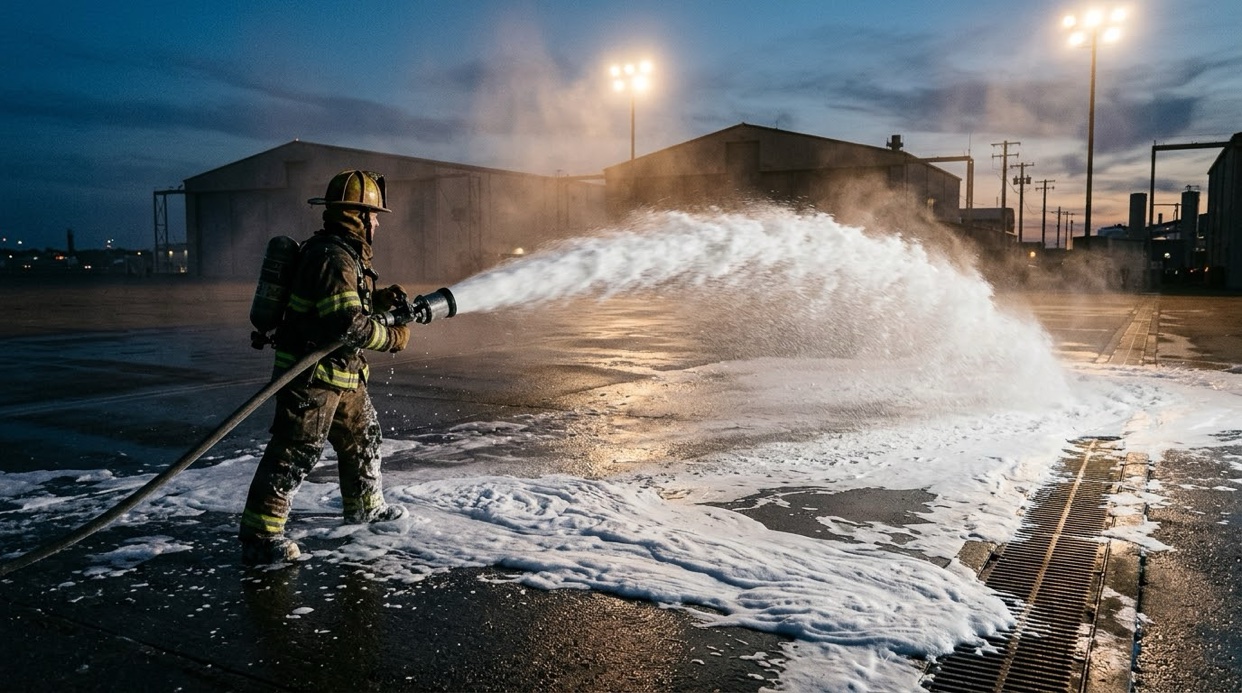
3M announced a $7.35 billion settlement paid over nine years through 2034, carrying a present value of $5.8 billion, to resolve roughly 99% of current PFAS personal injury claims. The deal addresses approximately 115,000 to 120,000 plaintiffs alleging health damage from exposure through drinking water or through directly handling AFFF firefighting foam—specifically impacting firefighters, military personnel, and airport or fire-training staff. I’ve been working in water treatment since 1994, and PFAS has been the slow-building story of my whole career — so when a settlement this size lands, it pays to read past the headline.
The agreement covers six eligible injury types in total, with kidney cancer and testicular cancer being the two named publicly. Keep in mind that this is an announced agreement, not a finalized court-approved program yet. Payments depend on plaintiffs opting in, 3M retains the right to terminate the deal if participation drops too low, and 3M admits no liability. This agreement applies exclusively to 3M and does not cover other firefighting foam manufacturers.
Two 3M Settlements — Don’t Mix Them Up
It is vital to distinguish this deal from 3M’s earlier 2023 settlement. Under the 2023 agreement, 3M agreed to pay $10.3 billion in present value to public water systems for PFAS testing and infrastructure treatment, which received final court approval in March 2024.
The core difference is simple: the 2023 money goes directly to water utilities to help clean up supply lines and install treatment systems. The 2026 money goes to injured individuals to resolve personal injury claims, and it pays for zero water treatment or filtration infrastructure.
Who This Money Goes To
The $7.35 billion payout is strictly directed to individual plaintiffs who have suffered medical harm—specifically targeting military members, firefighters, airport staff, fire-training personnel, and individuals exposed through contaminated drinking water lines who developed one of the six qualifying conditions. None of these funds flow to municipal budgets, treatment facilities, or environmental remediation.
What This Means for Your Tap Water
This settlement changes nothing at your tap today. The payout does not speed up municipal filtration or alter local tap water quality.
Actual drinking-water safety remains governed by the EPA’s April 2024 rule, which established enforceable limits of 4 parts per trillion (ppt) each for PFOA and PFOS. Public water utilities across the country are legally required to bring their systems into full compliance with these standards by April 2029.
How Home Filtration Fits In
If you want to remove PFAS at your own fixture, reverse osmosis systems and quality activated carbon filters are the proven home options.
However, you have to read the fine print on performance claims. Never trust a bare “NSF certified” stamp on a box. A generic certification might only mean the housing won’t leak or that it reduces basic chlorine taste. For real protection, the filter’s official certification documentation must explicitly list PFAS or the specific compounds (like PFOA and PFOS) on its performance data claim sheet. If the specific compound isn’t listed by name under the certification standard, don’t assume the filter touches it.
Facts first, then filter. — Steve
Leave a Reply