
If you take a look at the periodic table, you will spot lithium sitting right at element number 3—the lightest metal on earth. It belongs to the alkali metal family, sharing chemical traits with sodium and potassium.
Most people know lithium for two major reasons: its medical use as a mood-stabilizing prescription drug, and its role as the driving force behind the modern rechargeable battery revolution powering our phones and electric vehicles. But lithium is also a naturally occurring element that regularly turns up in deep groundwater.
As someone who spends every day helping homeowners navigate what is coming out of their taps, I get asked about lithium more and more these days. Here is a clear, honest breakdown of what lithium is, how it ends up in drinking water, what it means for your health, and how to remove it if it shows up in your home.
1. What Lithium Is and Where It Comes From
Lithium is an alkali metal found naturally in mineral deposits, specific clay formations, pegmatite rocks, and mineral springs across the Earth’s crust. Because it is highly reactive, it never occurs as a pure, free metal in nature; instead, it is bound up in mineral salts.
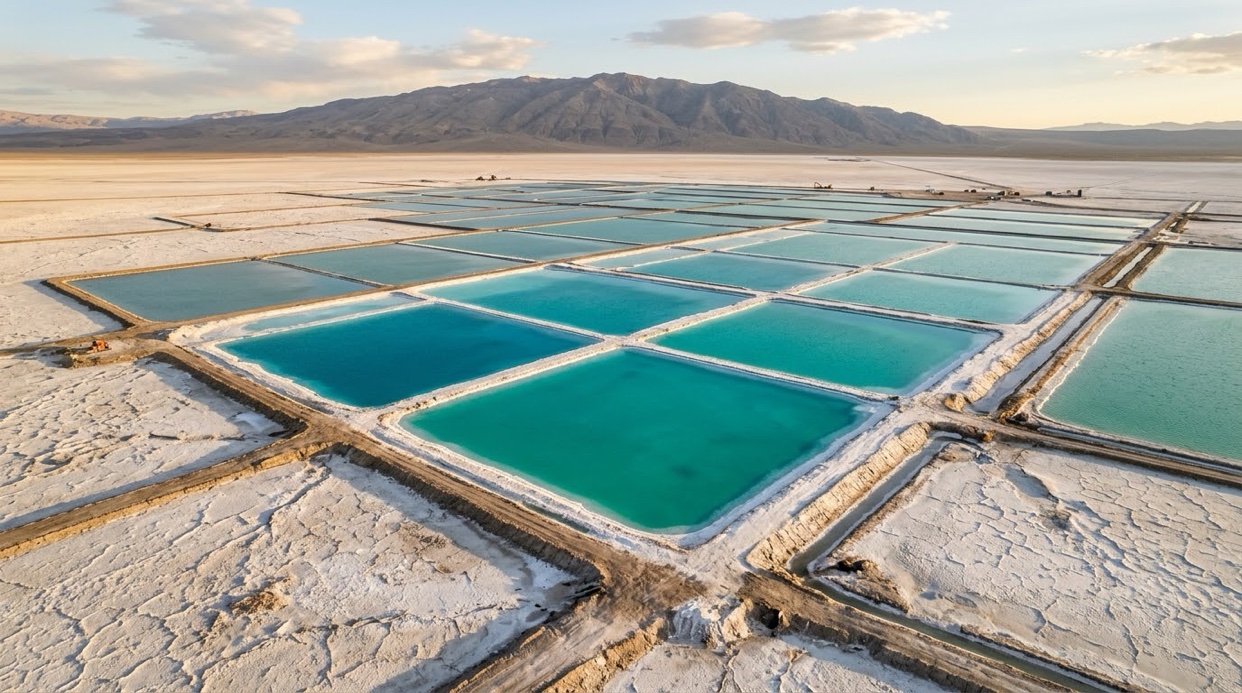
Geologically, lithium is particularly abundant in arid regions and salt flats (brines). Beyond its natural geological presence, lithium usage has expanded rapidly in recent decades:
- Energy Storage & Batteries: Lithium-ion batteries power modern laptops, smartphones, power tools, and electric vehicles.
- Glass & Ceramics: It is used as a flux to reduce melting temperatures and improve heat resistance in cookware and specialized glass.
- Greases & Alloys: Lithium soaps are used to make high-temperature lubricating greases for machinery.
- Pharmaceuticals: Lithium carbonate has been used in medicine for decades as a prescription treatment for bipolar disorder.
2. How It Gets Into Drinking Water
Lithium typically makes its way into tap water supplies through natural and industrial pathways:
- Natural Geological Leaching (The Primary Route): As groundwater flows through deep subterranean rock, granite, and lithium-bearing mineral formations, lithium salts naturally dissolve into aquifers and deep private wells. Certain geographic regions simply have lithium-rich geology, particularly in arid or volcanic areas.
- Mining & Industrial Runoff: As global demand for lithium batteries surges, lithium mining, brine extraction, battery manufacturing, and improper battery disposal are becoming growing localized factors in potential surface water and groundwater contamination.
3. What It Can Do to a Person’s Health: A Two-Sided Picture
When discussing lithium in tap water, a balanced perspective is essential.
- Trace Amounts vs. Medical Doses: Tiny, trace amounts of lithium are naturally consumed in daily diets through drinking water and foods like grains and vegetables. However, medical lithium treatments use therapeutic doses that are thousands of times higher than typical concentrations found in tap water.
- Long-Term Elevated Intake Concerns: Consuming water with elevated levels of lithium over extended periods can cause potential health concerns. Long-term ingestion of high levels can place stress on the kidneys (impairing their filtering ability) and the thyroid gland (potentially causing hypothyroidism).
- A Critical Note for Those on Lithium Medication: If someone in your household takes prescription lithium for a medical condition, paying attention to lithium in your drinking water is especially important. Because therapeutic lithium levels must be precise to remain safe and effective, unmeasured extra lithium from drinking water can disrupt an individual’s carefully managed blood serum levels. If you take lithium, always share your water test results with your doctor.
4. The Federal Picture: Screening Levels vs. Standards
When looking at tap water test results, homeowners often expect an enforced federal safety standard. However, lithium currently has NO EPA Maximum Contaminant Level (MCL).
Because there is no enforceable federal standard, public water suppliers are not legally required to treat for or remove lithium under federal law.
To evaluate lithium in national tap water monitoring (such as the EPA’s Unregulated Contaminant Monitoring Rule, or UCMR 5), the EPA established a Health Reference Level (HRL) of 10 parts per billion (10 ppb, or 0.010 mg/L).
It is crucial to understand what this number means: 10 ppb is a screening reference level used for research and monitoring, NOT an enforceable regulatory limit or standard. It serves as a benchmark for health officials to determine where further study or localized action may be warranted.
5. How a Homeowner Can Test Their Water
You cannot see, taste, or smell lithium at typical drinking water concentrations. Finding out if it is in your water—and at what level—requires proper laboratory analysis.
- Skip DIY Home Test Strips: Over-the-counter test strips sold at hardware stores are fine for basic pH or hardness checks, but they cannot measure trace alkali metals like lithium down to parts-per-billion levels.
- Use a Certified Laboratory: Send a water sample to a state-certified drinking water laboratory. They analyze lithium using high-precision methods like ICP-MS (Inductively Coupled Plasma Mass Spectrometry), which can measure lithium down to single-digit parts per billion.
6. How to Remove Lithium from Drinking Water
If a certified lab test shows elevated lithium levels in your tap water, selecting the right treatment technology is key.
Effective Removal Technologies
- Reverse Osmosis (RO): An under-sink point-of-use Reverse Osmosis system is the most dependable, practical home method for removing lithium. RO forces water under pressure through a semi-permeable membrane. The membrane pores reject dissolved ionic salts—including lithium ions (Li^+)—while letting pure water molecules pass through.
- Cation Exchange (Standard Water Softeners): Because lithium exists in water as a positively charged ion (Li^+), standard cation-exchange water softeners designed to remove calcium and magnesium can also reduce lithium levels. However, because sodium and calcium compete for exchange sites on the resin, a softener’s efficiency at removing lithium varies based on overall water chemistry.
What Does NOT Work
- Standard Pitcher Filters & Basic Carbon Blocks: Basic pitcher filters and carbon block units are great for removing chlorine and improving taste, but they do not reliably remove dissolved alkali metal ions like lithium.
- Standard Sediment Filters: Physical filters alone cannot trap dissolved minerals.
The Role of Physical Sediment Filters & Micron Ratings
While physical sediment filters do not remove dissolved lithium ions, they play a vital pre-filtration role in protecting your main treatment equipment from clogging with silt, rust, and dirt.
When selecting pre-filters, pay attention to micron ratings:
- Micron Rating: A micron measures pore size. A 5-micron or 1-micron sediment pre-filter is standard ahead of an under-sink RO membrane.
- Nominal vs. Absolute Rating:
- Nominal Rating: Traps approximately 60% to 85% of particles at that micron size under standard flow.
- Absolute Rating: Traps 99.9% or more of particles at the specified micron size under strict laboratory test conditions.
Using an absolute-rated pre-filter ensures your primary RO system receives consistent physical protection over time.
The Bottom Line
Lithium in drinking water is primarily a story of local geology, though industrial manufacturing is becoming a larger consideration. Because there is no federal limit, compare your lab test results against the EPA screening reference level of 10 parts per billion (10 ppb).
If your water test reveals elevated lithium—or if anyone in your home takes prescription lithium medication—a well-maintained under-sink Reverse Osmosis system is your most dependable, straightforward solution for pure drinking water.
Leave a Reply