
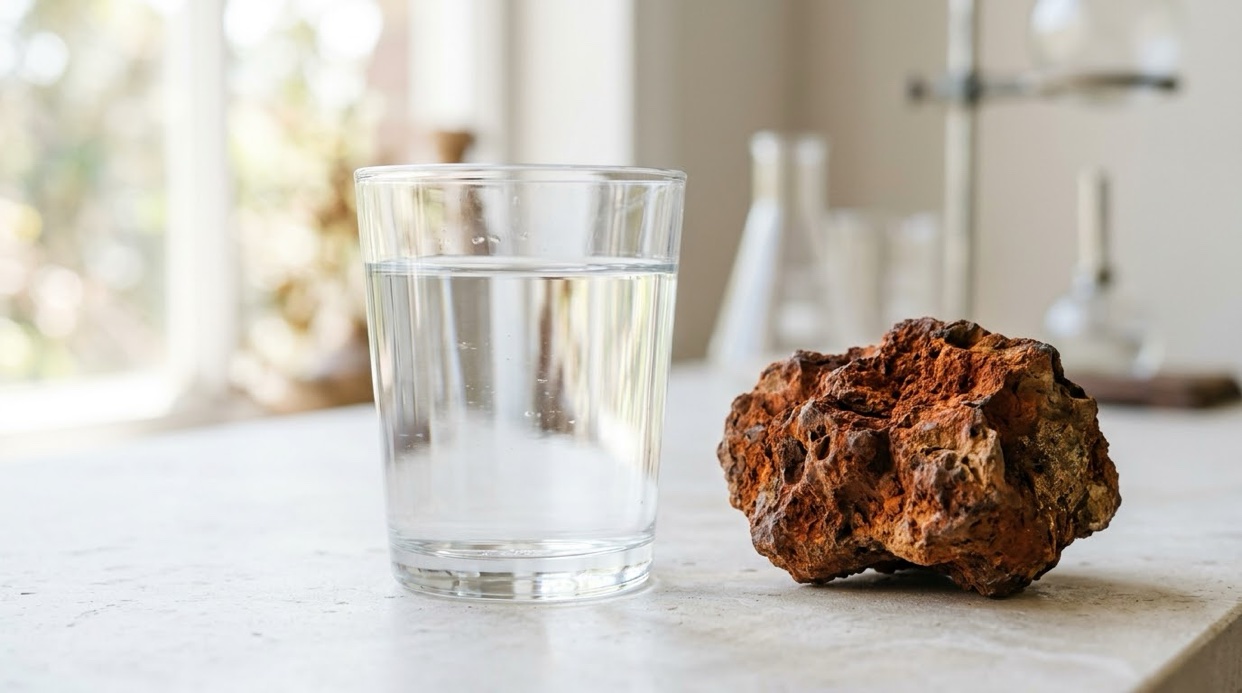
If you take a look at the periodic table, you will spot aluminum sitting right at element number 13. It is a lightweight, silvery-white metal that plays a massive role in our daily lives—from soda cans and foil wrap to airplanes, cookware, and building construction.
Because it is so common in modern manufacturing, people are often surprised when they see aluminum turn up on a home water test. But as someone who spends every day helping homeowners navigate what comes out of their taps, I can tell you that aluminum is actually one of the most common elements on earth.
Here is a clear, honest breakdown of what aluminum is, how it enters drinking water, what it means for your health, and how to treat it at home without any hype or scare tactics.
1. What Aluminum Is and Where It Comes From
Aluminum is the most abundant metal in the Earth’s crust (and the third most abundant element overall, behind oxygen and silicon). It is naturally present in soil, rocks, clay, and mineral deposits virtually everywhere on the planet.
Because it is so abundant in nature, aluminum is naturally integrated into the environment. We absorb tiny amounts of it every day through food, soil, dust, and common consumer products like antacids, antiperspirants, and food additives.
2. How It Gets Into Drinking Water
Aluminum enters drinking water supplies through two primary, honest pathways:
- Natural Geological Leaching: As groundwater or surface water flows through rocks and soil, small amounts of aluminum naturally dissolve into the water. This process is heavily influenced by pH: acidic water and acid rain free aluminum from soil, causing higher concentrations to leach into nearby lakes, rivers, and shallow wells.
- Water Treatment Plants (The Treatment Route): This is the part that surprises many people: municipal water utilities intentionally add aluminum compounds during water treatment. Treatment plants widely use alum (aluminum sulfate) or polyaluminum chloride as coagulants. These compounds bind with fine dirt particles, silt, and organic matter so they clump together and settle out. While almost all the aluminum settles out during processing, a small residual amount can carry through into the finished tap water.
3. What It Can Do to a Person’s Health
When evaluating aluminum in drinking water, it helps to separate aesthetic concerns, long-term health debates, and specific medical vulnerabilities.
- Aesthetics and Water Clarity: At typical household levels, the primary issue with aluminum is physical appearance. Elevated aluminum levels can cause tap water to look cloudy, milky, or discolored, and can leave a hazy film or white deposit on fixtures and cookware.
- The Alzheimer’s Question: The question of whether aluminum exposure is linked to Alzheimer’s disease or cognitive decline has been studied and debated by scientists for decades. To be completely direct and clear: a cause-and-effect link between aluminum in drinking water and Alzheimer’s disease is NOT established. Major health organizations continue to review research, but currently, standard drinking water levels are not considered a proven cause of neurological disease.
- People on Dialysis (The Sensitive Group): Patients undergoing kidney dialysis represent the genuinely sensitive population. Because dialysis machines bypass the digestive tract’s natural filtering mechanisms and use large volumes of water, dialysis centers strictly purify their water to remove all aluminum to prevent toxic buildup in the bloodstream.
4. The Federal Picture: Secondary Standards vs. Health Limits
When reviewing a water test, understanding how the U.S. Environmental Protection Agency (EPA) categorizes aluminum is essential.
Aluminum has NO health-based EPA Maximum Contaminant Level (MCL).
Because aluminum at typical drinking water levels does not present a proven health hazard to the general public, the EPA does not enforce a mandatory health limit. Instead, the EPA lists a Secondary Maximum Contaminant Level (SMCL) range of 0.05 to 0.2 mg/L (milligrams per liter).
It is important to understand what a Secondary standard means:
- Secondary SMCLs are non-enforceable guidelines established to manage aesthetic qualities—like taste, odor, color, and cloudiness—rather than health risks.
- Public water systems use the 0.05 to 0.2 mg/L range as a target to prevent water from looking turbid or leaving white mineral residue on household fixtures.
5. How a Homeowner Can Test Their Water
You cannot accurately measure aluminum concentrations in tap water simply by looking at cloudiness, because other minerals like calcium or trapped air bubbles can cause a similar appearance.
- Skip DIY Home Test Strips: Over-the-counter dip strips sold at home improvement stores are designed for basic pH, hardness, or free chlorine. They lack the accuracy needed to measure specific dissolved metal concentrations.
- Use a Certified Laboratory: Send a water sample to a state-certified drinking water laboratory. Labs use precise analytical testing, such as ICP-OES or ICP-MS, to deliver an exact measurement of aluminum in milligrams per liter (mg/L).
6. How to Remove Aluminum from Drinking Water
If a lab report shows aluminum levels above the 0.05 to 0.2 mg/L secondary range, several effective water treatment technologies can address it.
Effective Removal Technologies
- Reverse Osmosis (RO): An under-sink point-of-use Reverse Osmosis system is the most dependable, practical home method for removing dissolved aluminum. RO forces water under pressure through a semi-permeable membrane that rejects dissolved metal ions (like Al^{3+}) while letting pure water pass through.
- Distillation: Countertop water distillers boil water into steam and condense it back into liquid, leaving aluminum and other mineral salts behind in the boiling chamber.
- Water Softeners (Cation Exchange): Standard cation exchange water softeners can reduce dissolved aluminum because aluminum carries a positive charge (Al^{3+}). However, if the water pH is high or if aluminum has precipitated into solid particles, softening efficiency drops significantly.
The Truth About Standard Carbon Filters
Standard activated carbon filters excel at removing chlorine, bad tastes, and organic compounds, but they do not reliably remove dissolved inorganic metals like aluminum.
Pre-Filtration and Micron Ratings
If aluminum is present as suspended, particulate alum floc rather than dissolved ions, physical sediment pre-filters play an important role ahead of your main treatment unit.
When selecting pre-filters, pay attention to micron ratings:
- Micron Rating: A micron measures pore size. A 5-micron or 1-micron sediment filter is standard practice for pre-filtering water before an RO membrane.
- Nominal vs. Absolute Rating:
- Nominal Rating: Traps approximately 60% to 85% of particles at that micron size under standard flow.
- Absolute Rating: Traps 99.9% or more of particles at that rated micron size under strict lab testing conditions.
Using an absolute-rated pre-filter ensures consistent physical protection against suspended sediment and particulate buildup.
The Bottom Line
Aluminum is the most abundant metal in the Earth’s crust, and its presence in tap water—whether from regional soils or municipal water treatment alum—is primarily an aesthetic issue affecting water clarity and taste.
Because aluminum has no mandatory health-based EPA limit, compare your test results to the EPA secondary aesthetic range of 0.05 to 0.2 mg/L. If your water looks cloudy or tests above this range, an under-sink Reverse Osmosis system is your most dependable, straightforward solution for crystal-clear drinking water.
Leave a Reply