
If you take a look at the periodic table, you will spot potassium sitting right at element number 19. It belongs to the alkali metal family—sitting directly underneath sodium—and shares many of its chemical habits.
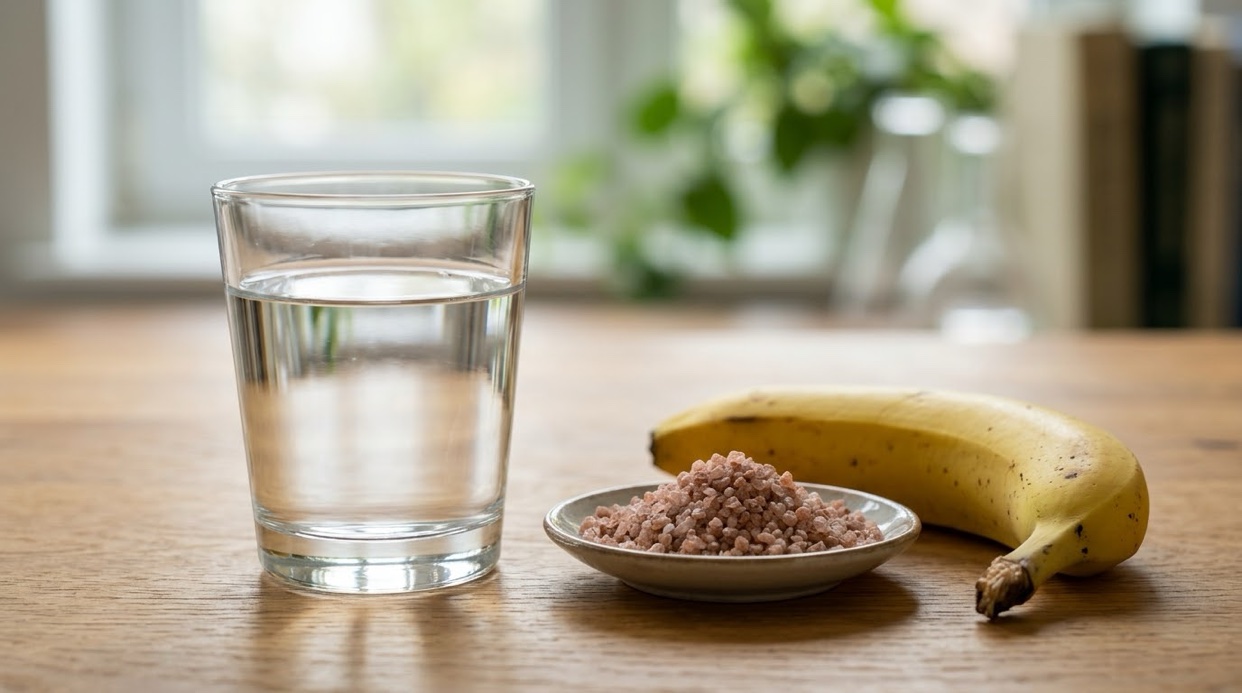
Most people know potassium as the essential electrolyte that keeps muscle cramps at bay after a hard workout, or as the mineral that made bananas famous (even though it is packed into plenty of other foods like potatoes, spinach, avocados, and beans).
In the world of home water treatment, potassium is a fascinating mineral because it often enters the conversation as a healthy alternative to sodium. As someone who spends every day helping homeowners navigate what comes out of their taps, here is a clear, honest breakdown of what potassium is, how it gets into your water, what it means for your health, and how to manage it in your home without any hype or scare tactics.
1. What Potassium Is and Where It Comes From
Potassium is an essential mineral and electrolyte that every living cell on Earth relies on to function. In human biology, potassium works alongside sodium to regulate fluid balance, transmit nerve signals, manage heart rhythms, and control muscle contractions.
In nature, potassium is abundant throughout the Earth’s crust, locked inside feldspar, mica, and clay minerals. Because it is highly reactive in its pure metallic form, pure potassium metal never exists in nature. In soil, rock, and water, it always travels dissolved as a positively charged potassium ion (K^+).
2. How It Gets Into Drinking Water
Potassium enters home tap water through three primary pathways:
- Natural Geological Leaching: As groundwater flows over subterranean rock formations, small amounts of potassium naturally dissolve into surrounding aquifers and private wells.
- Fertilizer Runoff: Potassium (often called potash) is one of the three primary nutrients in commercial plant fertilizers (the “K” in N-P-K). Rainwater washing over agricultural fields, golf courses, and residential lawns can carry excess potassium into local surface waters and shallow aquifers.
- The In-Home Route (Potassium-Based Water Softening): This is where many homeowners encounter potassium directly. Traditional water softeners trade hardness minerals (calcium and magnesium) for sodium ions. However, homeowners who want to avoid adding sodium to their water can load their softener brine tanks with potassium chloride salt pellets instead of sodium chloride. When the system regenerates, it trades calcium and magnesium for potassium, adding a small amount of potassium directly to every gallon of water moving through the home.
3. What It Can Do to Health: Nutrient vs. Medical Caution
When evaluating potassium in drinking water, an honest, measured perspective is key.
The Favorable Nutrient Side
Most people do not get enough potassium in their daily diets. Consuming drinking water that contains trace amounts of potassium provides a small, helpful boost to your daily electrolyte intake. Under normal biological conditions, healthy human kidneys easily filter out and balance any excess dietary potassium.
The Honest Medical Caution
While potassium is beneficial for the general public, there is a specific group of people who need to keep track of it:
- Kidney Disease & Medication: Individuals living with advanced kidney disease, or those taking specific blood pressure medications (such as ACE inhibitors, ARBs, or potassium-sparing diuretics), may have impaired abilities to excrete potassium. For these individuals, elevated potassium in blood serum (hyperkalemia) can cause dangerous heart rhythm irregularities.
- A Check-With-Your-Doctor Note: If you fall into this medical category and choose to use potassium chloride salt pellets in your whole-house water softener, it is worth having a quick conversation with your physician. Knowing if your softened drinking water contributes extra potassium helps your doctor manage your overall dietary plan accurately.
4. The Federal Picture: Unregulated and Essential
When reviewing a home water test, homeowners often search for a federal safety threshold.
Potassium currently has NO EPA Maximum Contaminant Level (MCL) and NO Secondary standard.
It is completely unregulated at the federal level by the U.S. Environmental Protection Agency. Because potassium is an essential dietary nutrient with no primary toxicity risks for healthy populations, the EPA does not enforce health limits or aesthetic secondary guidelines for potassium in public drinking water supplies.
5. How a Homeowner Can Test Their Water
You cannot see, smell, or taste typical trace concentrations of potassium in drinking water.
- Certified Laboratory Testing: A state-certified drinking water laboratory can accurately measure potassium using analytical instrumentation like ICP-OES (EPA Method 200.7).
- Do You Need to Test? Honestly, the vast majority of homeowners never need to test specifically for potassium. Unless a medical doctor specifically asks you to verify potassium levels in your drinking water due to a kidney condition or medication regimen, chasing a potassium number on a water panel is usually unnecessary.
6. How to Manage Potassium in Drinking Water
For healthy individuals, potassium in drinking water requires no special management—it is simply a beneficial background mineral.
However, if you need to lower potassium levels in your home’s drinking water for medical reasons:
- Under-Sink Reverse Osmosis (RO): Installing a point-of-use Reverse Osmosis system at your kitchen tap is the most effective solution. An RO membrane easily blocks multi-charged and single-charged ions, typically removing 90% to 98% of dissolved potassium (K^+) right at the kitchen sink.
- Switching Softener Salts: If you use potassium chloride pellets in your whole-house softener and need to eliminate added potassium, you can switch back to standard sodium chloride salt pellets (and use an under-sink RO to remove the resulting sodium).
The Role of Physical Sediment Pre-Filters & Micron Ratings
While physical sediment pre-filters do not catch dissolved potassium ions, they protect under-sink RO membranes from clogging with sand, rust, and silt.
When evaluating pre-filters, pay attention to micron ratings:
- Micron Rating: A micron measures pore size. A 5-micron or 1-micron sediment pre-filter is standard industry practice ahead of an under-sink RO membrane.
- Nominal vs. Absolute Rating:
- Nominal Rating: Traps approximately 60% to 85% of particles at that rated micron size under standard flow.
- Absolute Rating: Traps 99.9% or more of particles at the specified micron size under strict lab testing conditions.
Using an absolute-rated pre-filter ensures consistent physical protection for your under-sink RO system over time.
The Bottom Line
Potassium in drinking water is an essential mineral and electrolyte, carries no federal EPA limit, and poses zero concern for the vast majority of people.
If you choose to use potassium chloride salt in your whole-house water softener, it is a great way to soften your water without adding sodium. Just remember: if anyone in your home manages kidney disease or takes specific blood pressure medications, check in with your doctor to see if your softened tap water needs to be accounted for on their daily dietary plan.
Leave a Reply