
Cadmium is the heavy metal nobody talks about — no headlines, no Erin Brockovich movie. But it has a legal limit three times lower than lead’s old action level, and it goes straight for your kidneys.
What it is. Cadmium is a soft, bluish-white metal used in batteries, pigments, metal coatings, and plastics. Your body has no use for it at all — unlike copper or iron, there’s no “essential trace amount.” Any cadmium in your water is unwelcome.
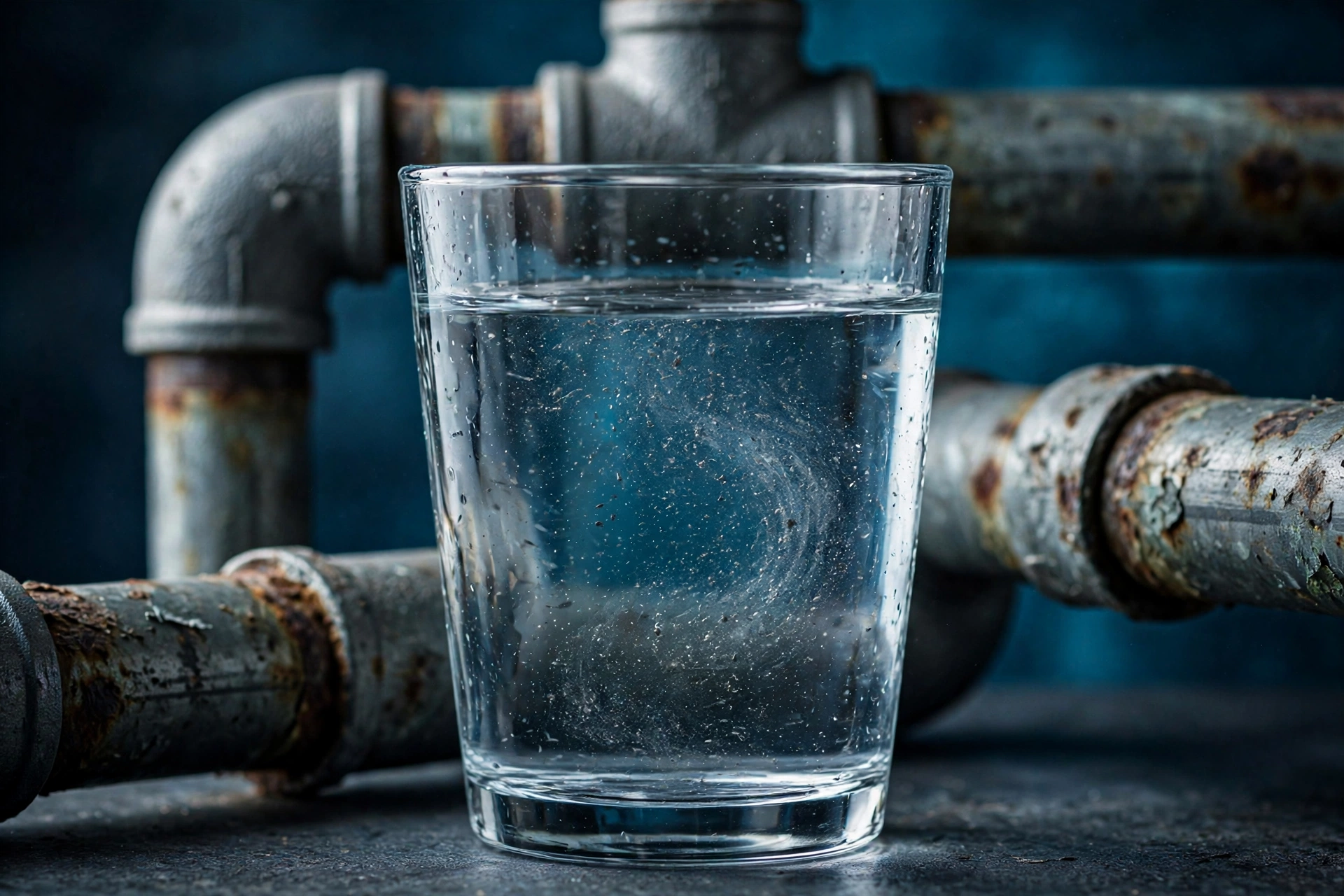
Where it comes from. The number-one household source: corrosion of galvanized steel pipes — the zinc coating on old galvanized plumbing contains cadmium, and acidic water leaches it out. Beyond the house: erosion of natural deposits, discharge from metal refineries, and runoff from waste batteries and paints. If your home has galvanized plumbing and low-pH water, you’re in the highest-risk category.
The health picture, honestly. Kidneys first — cadmium accumulates there and damages them with chronic exposure. Long-term exposure is also linked to fragile bones and lung damage. Short-term high doses cause nausea, vomiting, and cramps. The EPA’s legal limit is 5 parts per billion (0.005 mg/L), and the health goal is set at the same level — no margin built in.
How to test. A lab metals panel from a state-certified lab — cadmium rides along on the standard heavy-metals screen. Homes with galvanized pipes should test a first-draw sample (water that’s sat overnight). City water folks, check the annual report.
What removes it. Reverse osmosis, ion exchange, and distillation all take cadmium below the legal limit — the EPA lists coagulation/filtration, ion exchange, lime softening, and RO as proven methods. NSF-53 listed filters cover cadmium. If galvanized pipes are the source, replacing the plumbing is the permanent fix; filtration handles the water in the meantime.
What does NOT remove it. Boiling (concentrates it). Standard pitcher filters, water softeners alone, UV, chlorine.
What I’d buy: Treatment type: an under-sink reverse osmosis unit, NSF listed, for drinking and cooking water. If your pipes are galvanized, plan the repipe as the real fix — but don’t drink the water unfiltered while you plan.
Cadmium is a quiet contaminant — no taste, no stain, no smell. But old galvanized plumbing plus acidic water is a combination worth checking. A metals panel is cheap. Knowing is cheaper than not knowing.
Curious what’s in your tap? Start with What’s In Your Water?
Leave a Reply