Category: Water Contaminants

  • Aluminum in Drinking Water: What You Should Know

    Aluminum in Drinking Water: What You Should Know

    If you take a look at the periodic table, you will spot aluminum sitting right at element number 13. It is a lightweight, silvery-white metal that plays a massive role in our daily lives—from soda cans and foil wrap to airplanes, cookware, and building construction.

    Because it is so common in modern manufacturing, people are often surprised when they see aluminum turn up on a home water test. But as someone who spends every day helping homeowners navigate what comes out of their taps, I can tell you that aluminum is actually one of the most common elements on earth.

    Here is a clear, honest breakdown of what aluminum is, how it enters drinking water, what it means for your health, and how to treat it at home without any hype or scare tactics.

    1. What Aluminum Is and Where It Comes From

    Aluminum is the most abundant metal in the Earth’s crust (and the third most abundant element overall, behind oxygen and silicon). It is naturally present in soil, rocks, clay, and mineral deposits virtually everywhere on the planet.

    Because it is so abundant in nature, aluminum is naturally integrated into the environment. We absorb tiny amounts of it every day through food, soil, dust, and common consumer products like antacids, antiperspirants, and food additives.

    2. How It Gets Into Drinking Water

    Aluminum enters drinking water supplies through two primary, honest pathways:

    • Natural Geological Leaching: As groundwater or surface water flows through rocks and soil, small amounts of aluminum naturally dissolve into the water. This process is heavily influenced by pH: acidic water and acid rain free aluminum from soil, causing higher concentrations to leach into nearby lakes, rivers, and shallow wells.
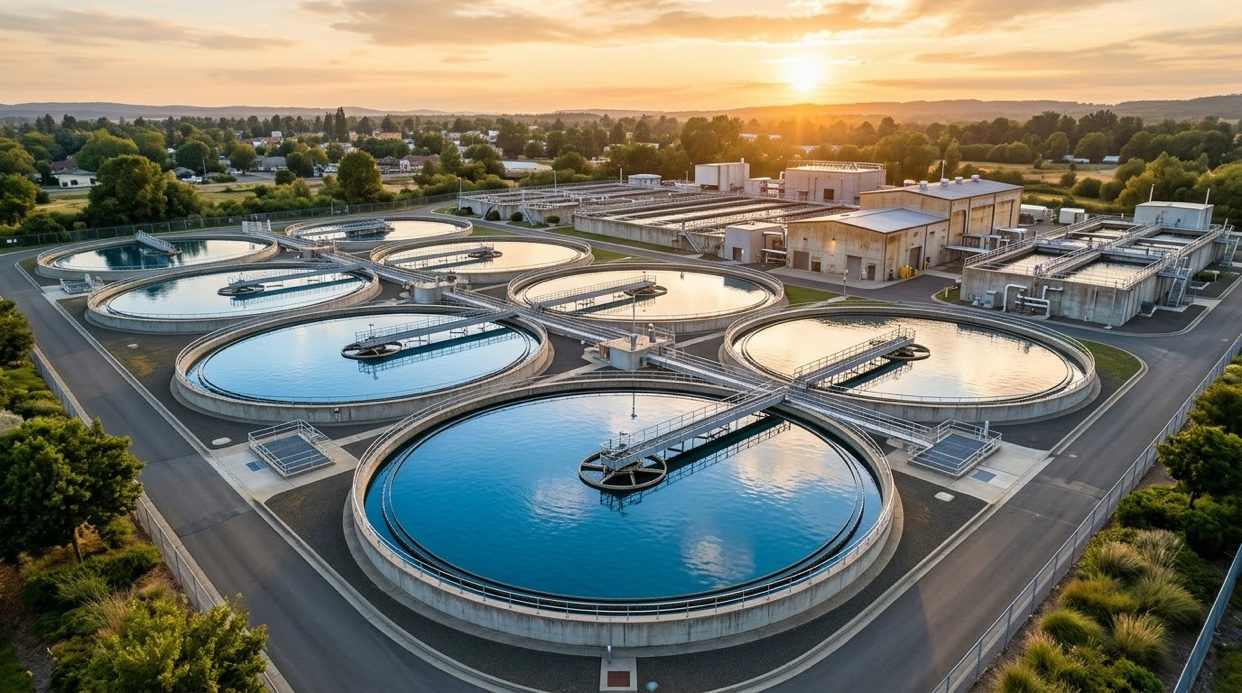
    • Water Treatment Plants (The Treatment Route): This is the part that surprises many people: municipal water utilities intentionally add aluminum compounds during water treatment. Treatment plants widely use alum (aluminum sulfate) or polyaluminum chloride as coagulants. These compounds bind with fine dirt particles, silt, and organic matter so they clump together and settle out. While almost all the aluminum settles out during processing, a small residual amount can carry through into the finished tap water.

    3. What It Can Do to a Person’s Health

    When evaluating aluminum in drinking water, it helps to separate aesthetic concerns, long-term health debates, and specific medical vulnerabilities.

    • Aesthetics and Water Clarity: At typical household levels, the primary issue with aluminum is physical appearance. Elevated aluminum levels can cause tap water to look cloudy, milky, or discolored, and can leave a hazy film or white deposit on fixtures and cookware.
    • The Alzheimer’s Question: The question of whether aluminum exposure is linked to Alzheimer’s disease or cognitive decline has been studied and debated by scientists for decades. To be completely direct and clear: a cause-and-effect link between aluminum in drinking water and Alzheimer’s disease is NOT established. Major health organizations continue to review research, but currently, standard drinking water levels are not considered a proven cause of neurological disease.
    • People on Dialysis (The Sensitive Group): Patients undergoing kidney dialysis represent the genuinely sensitive population. Because dialysis machines bypass the digestive tract’s natural filtering mechanisms and use large volumes of water, dialysis centers strictly purify their water to remove all aluminum to prevent toxic buildup in the bloodstream.

    4. The Federal Picture: Secondary Standards vs. Health Limits

    When reviewing a water test, understanding how the U.S. Environmental Protection Agency (EPA) categorizes aluminum is essential.

    Aluminum has NO health-based EPA Maximum Contaminant Level (MCL).

    Because aluminum at typical drinking water levels does not present a proven health hazard to the general public, the EPA does not enforce a mandatory health limit. Instead, the EPA lists a Secondary Maximum Contaminant Level (SMCL) range of 0.05 to 0.2 mg/L (milligrams per liter).

    It is important to understand what a Secondary standard means:

    • Secondary SMCLs are non-enforceable guidelines established to manage aesthetic qualities—like taste, odor, color, and cloudiness—rather than health risks.
    • Public water systems use the 0.05 to 0.2 mg/L range as a target to prevent water from looking turbid or leaving white mineral residue on household fixtures.

    5. How a Homeowner Can Test Their Water

    You cannot accurately measure aluminum concentrations in tap water simply by looking at cloudiness, because other minerals like calcium or trapped air bubbles can cause a similar appearance.

    • Skip DIY Home Test Strips: Over-the-counter dip strips sold at home improvement stores are designed for basic pH, hardness, or free chlorine. They lack the accuracy needed to measure specific dissolved metal concentrations.
    • Use a Certified Laboratory: Send a water sample to a state-certified drinking water laboratory. Labs use precise analytical testing, such as ICP-OES or ICP-MS, to deliver an exact measurement of aluminum in milligrams per liter (mg/L).

    6. How to Remove Aluminum from Drinking Water

    If a lab report shows aluminum levels above the 0.05 to 0.2 mg/L secondary range, several effective water treatment technologies can address it.

    Effective Removal Technologies

    • Reverse Osmosis (RO): An under-sink point-of-use Reverse Osmosis system is the most dependable, practical home method for removing dissolved aluminum. RO forces water under pressure through a semi-permeable membrane that rejects dissolved metal ions (like Al^{3+}) while letting pure water pass through.
    • Distillation: Countertop water distillers boil water into steam and condense it back into liquid, leaving aluminum and other mineral salts behind in the boiling chamber.
    • Water Softeners (Cation Exchange): Standard cation exchange water softeners can reduce dissolved aluminum because aluminum carries a positive charge (Al^{3+}). However, if the water pH is high or if aluminum has precipitated into solid particles, softening efficiency drops significantly.

    The Truth About Standard Carbon Filters

    Standard activated carbon filters excel at removing chlorine, bad tastes, and organic compounds, but they do not reliably remove dissolved inorganic metals like aluminum.

    Pre-Filtration and Micron Ratings

    If aluminum is present as suspended, particulate alum floc rather than dissolved ions, physical sediment pre-filters play an important role ahead of your main treatment unit.

    When selecting pre-filters, pay attention to micron ratings:

    • Micron Rating: A micron measures pore size. A 5-micron or 1-micron sediment filter is standard practice for pre-filtering water before an RO membrane.
    • Nominal vs. Absolute Rating:
      • Nominal Rating: Traps approximately 60% to 85% of particles at that micron size under standard flow.
      • Absolute Rating: Traps 99.9% or more of particles at that rated micron size under strict lab testing conditions.

    Using an absolute-rated pre-filter ensures consistent physical protection against suspended sediment and particulate buildup.

    The Bottom Line

    Aluminum is the most abundant metal in the Earth’s crust, and its presence in tap water—whether from regional soils or municipal water treatment alum—is primarily an aesthetic issue affecting water clarity and taste.

    Because aluminum has no mandatory health-based EPA limit, compare your test results to the EPA secondary aesthetic range of 0.05 to 0.2 mg/L. If your water looks cloudy or tests above this range, an under-sink Reverse Osmosis system is your most dependable, straightforward solution for crystal-clear drinking water.
  • Lithium in Drinking Water: What You Should Know

    Lithium in Drinking Water: What You Should Know

    If you take a look at the periodic table, you will spot lithium sitting right at element number 3—the lightest metal on earth. It belongs to the alkali metal family, sharing chemical traits with sodium and potassium.

    Most people know lithium for two major reasons: its medical use as a mood-stabilizing prescription drug, and its role as the driving force behind the modern rechargeable battery revolution powering our phones and electric vehicles. But lithium is also a naturally occurring element that regularly turns up in deep groundwater.

    As someone who spends every day helping homeowners navigate what is coming out of their taps, I get asked about lithium more and more these days. Here is a clear, honest breakdown of what lithium is, how it ends up in drinking water, what it means for your health, and how to remove it if it shows up in your home.

    1. What Lithium Is and Where It Comes From

    Lithium is an alkali metal found naturally in mineral deposits, specific clay formations, pegmatite rocks, and mineral springs across the Earth’s crust. Because it is highly reactive, it never occurs as a pure, free metal in nature; instead, it is bound up in mineral salts.

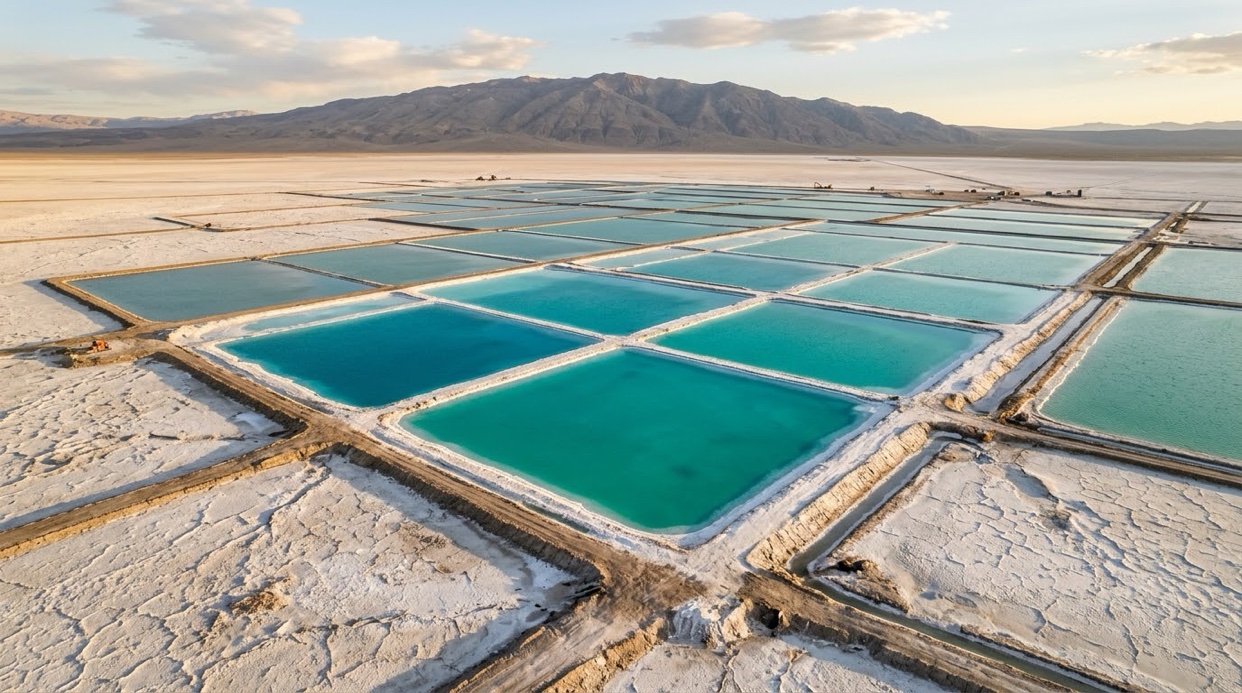
    Geologically, lithium is particularly abundant in arid regions and salt flats (brines). Beyond its natural geological presence, lithium usage has expanded rapidly in recent decades:

    • Energy Storage & Batteries: Lithium-ion batteries power modern laptops, smartphones, power tools, and electric vehicles.
    • Glass & Ceramics: It is used as a flux to reduce melting temperatures and improve heat resistance in cookware and specialized glass.
    • Greases & Alloys: Lithium soaps are used to make high-temperature lubricating greases for machinery.
    • Pharmaceuticals: Lithium carbonate has been used in medicine for decades as a prescription treatment for bipolar disorder.

    2. How It Gets Into Drinking Water

    Lithium typically makes its way into tap water supplies through natural and industrial pathways:

    • Natural Geological Leaching (The Primary Route): As groundwater flows through deep subterranean rock, granite, and lithium-bearing mineral formations, lithium salts naturally dissolve into aquifers and deep private wells. Certain geographic regions simply have lithium-rich geology, particularly in arid or volcanic areas.
    • Mining & Industrial Runoff: As global demand for lithium batteries surges, lithium mining, brine extraction, battery manufacturing, and improper battery disposal are becoming growing localized factors in potential surface water and groundwater contamination.

    3. What It Can Do to a Person’s Health: A Two-Sided Picture

    When discussing lithium in tap water, a balanced perspective is essential.

    • Trace Amounts vs. Medical Doses: Tiny, trace amounts of lithium are naturally consumed in daily diets through drinking water and foods like grains and vegetables. However, medical lithium treatments use therapeutic doses that are thousands of times higher than typical concentrations found in tap water.
    • Long-Term Elevated Intake Concerns: Consuming water with elevated levels of lithium over extended periods can cause potential health concerns. Long-term ingestion of high levels can place stress on the kidneys (impairing their filtering ability) and the thyroid gland (potentially causing hypothyroidism).
    • A Critical Note for Those on Lithium Medication: If someone in your household takes prescription lithium for a medical condition, paying attention to lithium in your drinking water is especially important. Because therapeutic lithium levels must be precise to remain safe and effective, unmeasured extra lithium from drinking water can disrupt an individual’s carefully managed blood serum levels. If you take lithium, always share your water test results with your doctor.

    4. The Federal Picture: Screening Levels vs. Standards

    When looking at tap water test results, homeowners often expect an enforced federal safety standard. However, lithium currently has NO EPA Maximum Contaminant Level (MCL).

    Because there is no enforceable federal standard, public water suppliers are not legally required to treat for or remove lithium under federal law.

    To evaluate lithium in national tap water monitoring (such as the EPA’s Unregulated Contaminant Monitoring Rule, or UCMR 5), the EPA established a Health Reference Level (HRL) of 10 parts per billion (10 ppb, or 0.010 mg/L).

    It is crucial to understand what this number means: 10 ppb is a screening reference level used for research and monitoring, NOT an enforceable regulatory limit or standard. It serves as a benchmark for health officials to determine where further study or localized action may be warranted.

    5. How a Homeowner Can Test Their Water

    You cannot see, taste, or smell lithium at typical drinking water concentrations. Finding out if it is in your water—and at what level—requires proper laboratory analysis.

    • Skip DIY Home Test Strips: Over-the-counter test strips sold at hardware stores are fine for basic pH or hardness checks, but they cannot measure trace alkali metals like lithium down to parts-per-billion levels.
    • Use a Certified Laboratory: Send a water sample to a state-certified drinking water laboratory. They analyze lithium using high-precision methods like ICP-MS (Inductively Coupled Plasma Mass Spectrometry), which can measure lithium down to single-digit parts per billion.

    6. How to Remove Lithium from Drinking Water

    If a certified lab test shows elevated lithium levels in your tap water, selecting the right treatment technology is key.

    Effective Removal Technologies

    • Reverse Osmosis (RO): An under-sink point-of-use Reverse Osmosis system is the most dependable, practical home method for removing lithium. RO forces water under pressure through a semi-permeable membrane. The membrane pores reject dissolved ionic salts—including lithium ions (Li^+)—while letting pure water molecules pass through.
    • Cation Exchange (Standard Water Softeners): Because lithium exists in water as a positively charged ion (Li^+), standard cation-exchange water softeners designed to remove calcium and magnesium can also reduce lithium levels. However, because sodium and calcium compete for exchange sites on the resin, a softener’s efficiency at removing lithium varies based on overall water chemistry.

    What Does NOT Work

    • Standard Pitcher Filters & Basic Carbon Blocks: Basic pitcher filters and carbon block units are great for removing chlorine and improving taste, but they do not reliably remove dissolved alkali metal ions like lithium.
    • Standard Sediment Filters: Physical filters alone cannot trap dissolved minerals.

    The Role of Physical Sediment Filters & Micron Ratings

    While physical sediment filters do not remove dissolved lithium ions, they play a vital pre-filtration role in protecting your main treatment equipment from clogging with silt, rust, and dirt.

    When selecting pre-filters, pay attention to micron ratings:

    • Micron Rating: A micron measures pore size. A 5-micron or 1-micron sediment pre-filter is standard ahead of an under-sink RO membrane.
    • Nominal vs. Absolute Rating:
      • Nominal Rating: Traps approximately 60% to 85% of particles at that micron size under standard flow.
      • Absolute Rating: Traps 99.9% or more of particles at the specified micron size under strict laboratory test conditions.

    Using an absolute-rated pre-filter ensures your primary RO system receives consistent physical protection over time.

    The Bottom Line

    Lithium in drinking water is primarily a story of local geology, though industrial manufacturing is becoming a larger consideration. Because there is no federal limit, compare your lab test results against the EPA screening reference level of 10 parts per billion (10 ppb).

    If your water test reveals elevated lithium—or if anyone in your home takes prescription lithium medication—a well-maintained under-sink Reverse Osmosis system is your most dependable, straightforward solution for pure drinking water.

  • Vanadium in Drinking Water: What You Should Know

    Vanadium in Drinking Water: What You Should Know

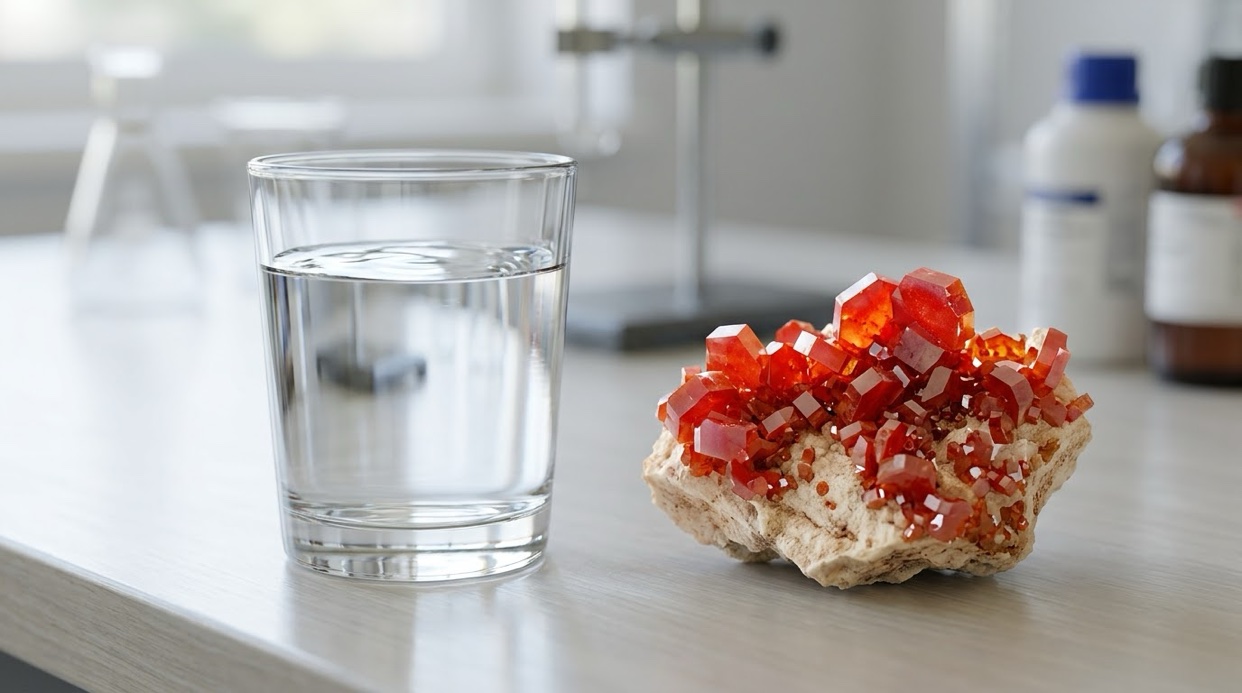
    If you take a look at the periodic table, you will spot vanadium sitting at element number 23. It is a trace metal that lives quietly in the Earth’s crust — in rock and soil — and most homeowners have never heard of it until the day it turns up on a water test report.

    I’m Steve, and I spend my days helping homeowners make sense of what comes out of their taps. Vanadium is a good example of why I tell people not to panic at an unfamiliar name: this is an element the regulators are still studying, not one with an alarm attached to it. Here is a clear, honest breakdown of what vanadium is, how it gets into drinking water, what the federal picture actually looks like, and what you can do about it if it shows up in your home.

    1. What Vanadium Is and Where It Comes From

    Vanadium is a naturally occurring trace metal found in the Earth’s crust, in rock formations, and in soil. “Trace” is the right word for it — it is spread through geology in small amounts rather than concentrated in many places.

    Industry knows vanadium well, even if homeowners do not:

    • Steel and Alloys: Vanadium is used in steel and alloys, where it helps make metal tougher.
    • Fuel and Refining: Vanadium also turns up around fossil-fuel burning and refining.

    So vanadium has two homes: the natural one in rock and soil, and the industrial one around steel, fuel, and refining.

    2. How It Gets Into Drinking Water

    Vanadium reaches drinking water by the slow, ordinary route — and by the industrial one:

    • Natural Leaching (The Main Route): Groundwater moving slowly through the right rock picks vanadium up — the same way it picks up iron or manganese. Water that sits in contact with rock for a long time dissolves traces of what the rock is made of, and wells drawing on that geology can carry it to the tap.
    • Industry’s Share: Steel and alloy production, and activity around fossil-fuel burning and refining, can add vanadium to the water picture in industrial areas.

    3. What It Can Do to a Person’s Health: Keep the Scale in Mind

    Here is where I ask you to keep the scale in mind, because that is the honest frame for vanadium: this is a watch-list element, not an alarm.

    The U.S. Environmental Protection Agency studies vanadium because it shows up in water surveys — when researchers sample drinking water, vanadium is one of the elements that turns up. Being studied is not the same as being declared dangerous. It means the agency is gathering the information it would need before deciding whether a federal standard is warranted.

    What that means for your kitchen tap is simple: there is no federal verdict on vanadium in drinking water yet, and I am not going to invent one for you. If a test shows vanadium in your water, you are looking at an element under study — worth knowing about, worth watching, and, if you prefer, worth removing. It is not a reason to stop drinking your water tonight.

    4. The Federal Picture: A Limit That Does Not Exist Yet

    Vanadium currently has NO federal drinking-water limit in the United States — no EPA Maximum Contaminant Level (MCL).

    Here is the regulatory background you should know:

    • The Study List: Vanadium is on the EPA’s list of contaminants being studied for possible regulation. The agency keeps an eye on elements like this while it decides whether a standard is needed.
    • No Standard Yet: Because no federal standard exists, there is no official number to compare a home test result against.

    So if vanadium appears on your lab report, the honest comparison is not “over the limit” or “under the limit” — there is no limit. The real question is whether you are comfortable with an unregulated trace element in your water, knowing the regulators have it under study.

    5. How a Homeowner Can Test Their Water

    You cannot see, taste, or smell vanadium at the levels involved here. The only way to know whether it is in your water — and how much — is laboratory analysis.

    • Skip DIY Home Test Strips: Over-the-counter dip strips are fine for basic pH or free chlorine, but they cannot measure trace metals like vanadium down at these levels.
    • Use a Certified Laboratory: Send a sample to a state-certified drinking water laboratory, and ask for vanadium specifically — it is not part of every standard panel. Labs measure trace metals with precise instruments such as ICP-MS.

    6. How to Remove Vanadium from Drinking Water

    If a certified lab test shows vanadium and you would rather not have it there — some homeowners simply prefer that, and that is a perfectly good reason — standard treatment handles it.

    Effective Removal Technologies

    • Reverse Osmosis (RO): An under-sink point-of-use Reverse Osmosis system is the most dependable home method. RO pushes water through a semi-permeable membrane that rejects dissolved metals, including vanadium, while letting purified water pass through.
    • Ion Exchange: Vanadium in water can also be reduced by ion exchange treatment — the same family of technology used in water softeners — which swaps dissolved ions out of the water.

    The Honest Truth About Carbon Filters

    Standard activated carbon filters are excellent for chlorine, taste, and odor, but they do not reliably remove dissolved metals like vanadium on their own.

    Pre-Filtration and Micron Ratings

    While sediment pre-filters cannot catch dissolved vanadium, they protect your RO membrane or ion exchange equipment from silt, rust, and sand.

    When selecting pre-filters, pay attention to micron ratings:

    • Micron Rating: A micron measures pore size. A 5-micron or 1-micron sediment pre-filter is standard practice ahead of an under-sink RO membrane.
    • Nominal vs. Absolute Rating:
      • Nominal Rating: Traps approximately 60% to 85% of particles at that micron size under standard flow.
      • Absolute Rating: Traps 99.9% or more of particles at the specified micron size under strict lab test conditions.

    Using an absolute-rated pre-filter gives your treatment equipment consistent physical protection over time.

    The Bottom Line

    Vanadium in drinking water is an earth-bound trace element that arrives mostly through rock and groundwater, with industry adding its share. It has no federal limit, and it sits on the EPA’s study list for possible regulation — a watch-list element, not an alarm. If a test shows it and you want it out, reverse osmosis or ion exchange will handle it.

  • Thallium in Drinking Water: What You Should Know

    Thallium in Drinking Water: What You Should Know

    If you take a look at the periodic table, you will spot thallium sitting way down near the bottom at element number 81. It is a soft, malleable heavy metal that sits right in the same chemical neighborhood as lead, bismuth, and mercury.

    To be completely candid with you, thallium is known in chemistry circles as one of the most toxic metals on the entire periodic table. Because of that reputation, seeing it mentioned anywhere near drinking water can sound alarming. But as someone who spends every day helping homeowners understand water chemistry, my goal is always to bring facts, clarity, and practical solutions—not panic.

    Here is a clear, honest breakdown of what thallium is, where it comes from, how it behaves in drinking water, and what you can do about it if it turns up in your home.

    1. What Thallium Is and Where It Comes From

    Thallium is a naturally occurring heavy metal found in trace amounts throughout the Earth’s crust. In its pure form, it is odorless, tasteless, and bluish-white, though it quickly tarnishes to a dark gray when exposed to air.

    Historically, thallium compounds were widely used as the active ingredient in rat poisons, ant baits, and agricultural insecticides. Due to its extreme toxicity, the United States banned thallium-based pesticides for residential and agricultural use decades ago.

    Today, thallium is primarily used in specialized industrial manufacturing:

    • Electronics & Semiconductors: It is used in fiber optics, infrared optical equipment, and electronic switches.
    • Specialty Glass: Thallium is added to create high-density, high-refractive glass formulations.
    • Pharmaceuticals & Imaging: Small amounts of radioactive thallium isotopes are used in specialized medical heart scans.

    2. How It Gets Into Drinking Water

    Thallium enters water supplies through both natural geological processes and industrial activities:

    • Natural Erosion: As groundwater flows through deep subterranean rock and mineral deposits containing trace thallium, small amounts can naturally leach into private wells and aquifers.
    • Coal Combustion & Fly Ash: Burning coal in power plants releases thallium into the air in fly ash, which can settle on surface waters (rivers and reservoirs) or wash into local soil and groundwater.
    • Cement Plant Emissions & Smelting: Processing cement and smelting base metals (like copper, lead, and zinc) can release thallium into nearby surface water runoff.
    • Legacy Waste Sites: Old industrial sites or legacy disposal areas where thallium-bearing wastes were buried can slowly leach into surrounding soil and groundwater tables over time.

    3. What It Can Do to a Person’s Health

    Because thallium is biologically toxic even at extremely small concentrations, exposure through drinking water is taken very seriously by health authorities.

    Thallium mimics potassium inside the human body. Because your cells rely heavily on potassium to function, they accidentally absorb thallium, which disrupts crucial cellular processes.

    Consuming water with elevated thallium levels over long periods—or at high acute doses—can lead to severe health complications:

    • Nervous System Effects: Peripheral neuropathy, including numbness, tingling, muscle weakness, and joint pain.
    • Characteristic Hair Loss: Sudden or significant hair loss (alopecia) is one of the classic, hallmark signs of thallium exposure.
    • Gastrointestinal Distress: Abdominal pain, severe vomiting, and persistent diarrhea.
    • Organ Damage: Long-term exposure places stress on internal organs, potentially causing liver and kidney damage as well as blood changes.

    Because these health risks exist even at trace concentrations, safety limits for thallium are set at extremely low levels compared to almost any other element.

    4. The Federal Picture: The EPA Limit

    To safeguard public health, the U.S. Environmental Protection Agency (EPA) strictly regulates thallium in public water supplies under the Safe Drinking Water Act.

    The standard: The Maximum Contaminant Level (MCL) for thallium is 0.002 mg/L (which is equal to 2 parts per billion).

    To put that into perspective, 2 parts per billion is an extraordinarily tiny amount—roughly equivalent to two drops of water in a giant, olympic-sized swimming pool. Public water systems are required to test for thallium and ensure finished tap water remains below this strict threshold. For private well owners, testing and verification are up to you.

    5. How a Homeowner Can Test Their Water

    Because thallium is odorless, colorless, and tasteless, you cannot detect it with your senses—and because the safety limit is a tiny 2 parts per billion, DIY home test kits and color strips cannot detect it.

    To test your drinking water for thallium:

    • Use a State-Certified Laboratory: You must send a water sample to a certified drinking water laboratory.
    • High-Precision Instrumentation: Labs analyze thallium using advanced equipment like ICP-MS (Inductively Coupled Plasma Mass Spectrometry), which can accurately quantify trace metals down to fractions of a part per billion (EPA Method 200.8).
    • Metals Panel: Thallium is usually ordered as part of a comprehensive heavy metals panel that includes lead, arsenic, cadmium, mercury, and antimony.

    6. How to Remove Thallium from Drinking Water

    If a certified laboratory report shows thallium in your water near or above the 0.002 mg/L limit, addressing it promptly with effective treatment technology is essential.

    Effective Removal Technologies

    • Reverse Osmosis (RO): An under-sink point-of-use Reverse Osmosis system is the most dependable, practical home method for removing thallium. RO forces water through a dense semi-permeable membrane that rejects dissolved heavy metal ions—including thallium (Tl^+)-while allowing pure water molecules to pass through.
    • Cation Exchange Resins: Because dissolved thallium typically exists as a positively charged ion (Tl^+), specialized strong-acid cation exchange resins can remove it from water. However, competing hardness minerals (like calcium and magnesium) can reduce resin efficiency over time.
    • Activated Alumina: Specialized media filters using activated alumina can adsorb trace metals including thallium under properly controlled pH and flow conditions.

    What Does NOT Work

    • Standard Pitcher Filters & Basic Carbon Blocks: Standard activated carbon filters excel at removing chlorine and improving taste, but they do not reliably remove dissolved heavy metals like thallium.
    • Standard Sediment Filters: Physical filters alone cannot capture dissolved ions.

    The Role of Physical Pre-Filters & Micron Ratings

    While physical sediment pre-filters cannot catch dissolved thallium ions, they play a vital protective role by keeping rust, silt, and sediment from clogging your RO membrane or ion exchange media.

    When choosing pre-filters, pay attention to micron ratings:

    • Micron Rating: A micron measures pore size. A 5-micron or 1-micron sediment pre-filter is standard ahead of an RO system.
    • Nominal vs. Absolute Rating:
      • Nominal Rating: Traps approximately 60% to 85% of particles at that micron size under standard flow.
      • Absolute Rating: Traps 99.9% or more of particles at the rated micron size under strict lab testing conditions.

    Using an absolute-rated pre-filter ensures consistent physical protection for your primary thallium removal equipment.

    The Bottom Line

    Thallium is an extremely toxic heavy metal, but finding it in drinking water at dangerous levels is quite rare. Because the federal EPA limit is set at a strict 0.002 mg/L (2 parts per billion), any presence near or above that line should be addressed immediately.

    If you rely on a private well near coal-burning power plants, legacy industrial sites, or areas with unique geology, get your water tested by a certified lab. If thallium is detected, a quality under-sink Reverse Osmosis system is your most dependable, straightforward defense for safe, pure drinking water.

  • Antimony in Drinking Water: What You Should Know

    Antimony in Drinking Water: What You Should Know

    If you take a look at the periodic table, you will spot antimony sitting at element number 51. It is a silvery-white metalloid—an element that shares physical and chemical properties with both metals and non-metals—located right underneath arsenic and phosphorus.

    Because it isn’t a household name like lead, copper, or iron, most people have never heard of antimony until it shows up on a water quality report. But as someone who spends every day helping homeowners understand what is coming out of their taps, I know that even the lesser-known elements deserve a clear, transparent evaluation.

    Here is a straightforward, honest breakdown of what antimony is, how it ends up in drinking water, what health effects to keep in mind, and how to address it at home without any sales hype or scare tactics.

    1. What Antimony Is and Where It Comes From

    Antimony is a naturally occurring element found in small amounts throughout the Earth’s crust, usually bound up in mineral ores alongside sulfur, heavy metals, and quartz.

    While pure antimony is relatively brittle on its own, it is an absolute workhorse in modern manufacturing when combined with other metals:

    • Flame Retardants: Antimony trioxide is widely used as a chemical catalyst and flame retardant in textiles, plastics, rubber, and building materials.
    • Lead Alloys: It is mixed with lead to harden alloys used in lead-acid batteries, ammunition, cable sheathing, and solder.
    • Electronics & Glass: It plays a role in semiconductor manufacturing, computer hardware, and clarifying specialized glass and ceramics.

    2. How It Gets Into Drinking Water

    Antimony makes its way into water supplies through a few distinct natural and human pathways:

    • Geological Leaching: As groundwater flows through rock formations and mineral deposits containing antimony ores, small amounts naturally dissolve into private wells and aquifers.
    • Industrial Wastewater & Refining: Discharge from metal smelting, petroleum refining, chemical manufacturing, or waste incineration can introduce antimony into rivers, lakes, and surface water.
    • Plumbing Materials & Solder: In older homes, plumbing fixtures or lead-antimony solders can slowly leach trace amounts into sitting tap water.
    • Plastics & Stored Water: Antimony compounds (specifically antimony trioxide) are used as catalysts in making Polyethylene Terephthalate (PET) plastic—the clear plastic used for many disposable water bottles. If bottled water sits in warm environments or direct sunlight for long periods, trace amounts of antimony can leach into the liquid. However, in bottled water that meets storage guidelines, these levels are typically very low and well below safety thresholds, so there is no reason to panic.

    3. What It Can Do to a Person’s Health

    Understanding the health effects of antimony comes down to exposure levels and duration.

    • Short-Term High Exposure: Consuming water with unusually high concentrations of antimony over a brief period can cause acute gastrointestinal distress, including nausea, vomiting, abdominal cramps, and diarrhea.
    • Long-Term Chronic Exposure: Drinking water with antimony levels consistently above health standards over many years or decades can affect internal organs. Long-term studies indicate potential damage to the liver, kidneys, and heart, as well as changes in blood cholesterol and glucose levels.
    • Cancer Claims: While some antimony compounds (like antimony trioxide) are classified as potential human carcinogens through airborne occupational inhalation, evidence regarding cancer risks from consuming antimony in drinking water remains inconclusive and limited.

    As with most trace metals, the primary goal of water treatment is to avoid chronic, low-level intake over a lifetime.

    4. The Federal Picture: The EPA Limit

    To protect public health from chronic exposure, the U.S. Environmental Protection Agency (EPA) strictly regulates antimony in public water systems under the Safe Drinking Water Act.

    The standard: The Maximum Contaminant Level (MCL) for antimony is 0.006 mg/L (which is equal to 6 parts per billion).

    Because 6 parts per billion is an exceptionally small threshold—equivalent to six drops of water in a pool carrying tens of thousands of gallons—public utilities test for it using precise laboratory equipment. If you rely on a private well, monitoring antimony is up to you.

    5. How a Homeowner Can Test Their Water

    You cannot see, taste, or smell antimony at typical drinking water concentrations. Finding out if it is in your tap water requires proper laboratory analysis.

    • Skip the DIY Home Test Strips: Simple dip strips sold at home centers are designed for basic parameters like pH, hardness, or free chlorine. They cannot accurately detect trace metals down to parts-per-billion levels like 0.006 mg/L.
    • Use a Certified Laboratory: Order a water test from a state-certified drinking water laboratory. Laboratories use high-precision testing methods, such as ICP-MS (Inductively Coupled Plasma Mass Spectrometry), to accurately measure antimony alongside other heavy metals like lead, arsenic, and cadmium.

    6. How to Remove Antimony from Drinking Water

    If a certified lab report reveals antimony levels near or above 0.006 mg/L, choosing the right treatment method is crucial.

    Effective Removal Technologies

    • Reverse Osmosis (RO): A point-of-use under-sink Reverse Osmosis system is the most dependable and practical home method for removing antimony. RO forces water under pressure through a semi-permeable membrane. The microscopic pores block dissolved heavy metal ions, including antimony species, while allowing clean water molecules through.
    • Iron-Based Adsorption Media: Specialized media filters containing granular ferric oxide or titanium dioxide can selectively adsorb antimony ions out of solution under proper flow rates and pH levels.

    What Does NOT Work Well

    • Standard Pitchers & Simple Carbon Blocks: Basic pitcher filters and standard activated carbon blocks are great for removing chlorine and improving taste, but they do not reliably reduce dissolved inorganic metals like antimony.
    • Standard Water Softeners: Conventional water softeners use cation exchange resins designed for calcium and magnesium. They are not engineered to target dissolved antimony.

    Pre-Filtration and Micron Ratings

    While physical sediment filters cannot capture dissolved antimony ions, they are essential pre-filters that keep sand, silt, and rust from clogging your under-sink RO membrane or specialty adsorption media.

    When selecting pre-filters, pay attention to micron ratings:

    • Micron Rating: A micron measures pore size. A 5-micron or 1-micron sediment pre-filter is standard industry practice ahead of an RO membrane.
    • Nominal vs. Absolute Rating:
      • Nominal Rating: Traps approximately 60% to 85% of particles at that micron size under standard flow.
      • Absolute Rating: Traps 99.9% or more of particles at the specified micron size under strict lab test conditions.

    Using an absolute-rated pre-filter gives your main treatment equipment consistent physical protection against particle buildup.

    The Bottom Line

    Antimony in drinking water is relatively rare, but when present—whether from regional rock formations, industrial activity, or legacy plumbing—it should be managed calmly and methodically.

    If you rely on a private well or live near industrial zones, get your water tested by a state-certified lab. If antimony levels exceed or approach the 0.006 mg/L (6 parts per billion) federal limit, a well-maintained under-sink Reverse Osmosis system is your most dependable, straightforward solution for pure, safe drinking water at home.

  • Bromine in Drinking Water: What You Should Know

    Bromine in Drinking Water: What You Should Know

    If you take a look at the periodic table, you will spot bromine sitting right at element number 35. It is a halogen, which places it in the exact same chemical family as chlorine and fluorine. In its pure form, bromine is a heavy, reddish-brown liquid that gives off an intense, pungent vapor.

    Most people associate bromine with hot tubs, spas, or swimming pools, where it is used as a disinfectant instead of chlorine because it remains stable at higher water temperatures. But when it shows up on a water quality report or in discussions about drinking water, it usually raises a few eyebrows.

    As a water treatment professional, I get asked about bromine and its related compounds regularly. Here is a clear, honest breakdown of what bromine is, how it ends up in tap water, what the health concerns actually are, and how to address it at home.

    1. What Bromine Is and Where It Comes From

    Bromine is a naturally occurring element present in rocks, soil, and deep geological formations. In natural waters, it rarely exists as pure elemental bromine. Instead, it is found as bromide—a negatively charged ion (Br^-) that forms when salts dissolve in water.

    Because bromide salts are extremely soluble, bromide is abundant in ocean seawater and brackish coastal aquifers. Beyond natural geology, human activities—such as oil and gas extraction, coal combustion, industrial chemical production, and agricultural runoff—can also release bromide into surrounding rivers and groundwater basins.

    2. How It Gets Into Drinking Water (And the Ozone Twist)

    Bromine typically enters drinking water supplies in the form of naturally occurring bromide in source water (rivers, lakes, and underground aquifers).

    However, there is an important chemical twist to understand: the primary concern isn’t bromide itself, but what happens when water treatment plants treat that water.

    When municipal treatment plants use ozone (O_3) to disinfect raw water—a process called ozonation—the ozone reacts with any naturally occurring bromide ions present in the water. This reaction oxidizes the harmless bromide into bromate (BrO_3^-). Bromate is an unintended disinfection byproduct that remains dissolved in the finished tap water as it travels to your home.

    3. What It Can Do to a Person’s Health: Bromine vs. Bromate

    When discussing health effects, it is vital to distinguish between elemental bromine/bromide and bromate.

    • Bromine and Bromide: At the trace levels typically found in drinking water, natural bromide ions pose very little direct health risk to humans. It is generally considered a minor health story on its own.
    • Bromate (The Byproduct Concern): Bromate is a different story. Long-term ingestion of elevated levels of bromate over many years or decades has been shown in laboratory animal studies to increase the risk of cancer, specifically kidney tumors. Long-term exposure to high levels may also affect thyroid and kidney function.

    Because of this, drinking water regulators focus almost entirely on controlling bromate formation during municipal disinfection rather than targeting raw bromide itself.

    4. The Federal Picture: Regulations and Limits

    Understanding how the U.S. Environmental Protection Agency (EPA) treats bromine compounds is essential for keeping things in perspective:

    • Bromine and Bromide Standards: Bromine and bromide have NO EPA Maximum Contaminant Level (MCL). There is no federal limit requiring water utilities to remove raw bromide from source water.
    • The Bromate Standard: The EPA does strictly regulate bromate as a disinfection byproduct under the Safe Drinking Water Act.

    The federal limit: The Maximum Contaminant Level (MCL) for bromate is 0.010 mg/L (which is equal to 10 parts per billion).

    Because public utilities using ozone disinfection are legally required to keep bromate below 0.010 mg/L, municipal tap water is closely monitored. However, if you draw water from a private well near coastal areas, oil/gas sites, or agricultural operations, monitoring your water quality is your own responsibility.

    5. How a Homeowner Can Test Their Water

    You cannot see, smell, or taste trace bromide or bromate in drinking water. Finding out if either is present requires precise testing.

    • Avoid DIY Home Test Strips: Over-the-counter test strips sold at home improvement stores are designed for basic pool chemistry (like free chlorine or pH). They cannot measure parts-per-billion levels of bromate or accurately differentiate between bromide ions and other halides.
    • Use a Certified Laboratory: Order a water test from a state-certified drinking water laboratory. They utilize advanced laboratory instrumentation, such as Ion Chromatography (EPA Method 300.1), to detect and quantify bromide and bromate down to fractional parts per billion.

    6. How to Remove Bromide and Bromate from Water

    If lab testing reveals elevated bromide or bromate levels in your home’s water supply, selecting the correct treatment equipment is key.

    Effective Filtration Technologies

    • Reverse Osmosis (RO): A point-of-use under-sink Reverse Osmosis system is the most practical and dependable home defense against both bromide and bromate. RO forces water under pressure through a dense semi-permeable membrane, rejecting dissolved ionic compounds including bromide (Br^-) and bromate (BrO_3^-).
    • Anion Exchange: Because bromide and bromate exist as negatively charged ions, specialized strong-base anion exchange resins can effectively swap them out for harmless ions like chloride.
    • The Carbon Honest Truth: Standard activated carbon filters excel at removing chlorine and organic odors, but they are not efficient at removing dissolved bromate or bromide ions on their own unless specialty catalytic carbon or custom media configurations are used under slow flow conditions.

    The Role of Physical Sediment Filters & Micron Ratings

    Physical sediment pre-filters do not filter out dissolved ions like bromide or bromate, but they are essential for protecting under-sink RO membranes and specialty resins from clogging with sand, rust, and dirt.

    When evaluating pre-filters for your treatment system, understand these key terms:

    • Micron Rating: A micron measures pore size. A 5-micron or 1-micron sediment filter is standard for pre-filtering water before an RO membrane.
    • Nominal vs. Absolute Rating:
      • Nominal Rating: Indicates the filter traps approximately 60% to 85% of particles at that micron size. Some larger particles can still pass through.
      • Absolute Rating: Indicates the filter will trap 99.9% or more of particles at the specified micron size under strict laboratory conditions.

    Using an absolute-rated pre-filter ensures your primary treatment unit remains protected from physical particles over time.

    The Bottom Line

    Bromine itself in drinking water is rarely cause for concern, but when naturally occurring bromide interacts with municipal ozone disinfection, it can form bromate—a byproduct strictly regulated at 0.010 mg/L (10 parts per billion).

    If you draw water from a private well near coastal or industrial zones, or simply want total peace of mind regarding disinfection byproducts at your tap, get your water tested by a certified lab. If elevated levels are present, a quality under-sink Reverse Osmosis system remains your most effective, reliable solution for clean drinking water.

  • Selenium in Drinking Water: What You Should Know

    Selenium in Drinking Water: What You Should Know

    If you take a look at the periodic table, you will find selenium sitting at element number 34. It is a naturally occurring element that resides in the earth’s crust, soils, and rock formations, right alongside elements like sulfur.

    Unlike many heavy metals or chemical contaminants that serve no biological purpose, selenium comes with a fascinating dual nature: it is actually an essential trace nutrient that your body needs in tiny amounts to stay healthy. However, as with many things in water chemistry, balance is everything. As someone who helps homeowners make sense of what comes out of their taps every day, here is a clear, honest breakdown of what selenium is, how it behaves in water, and how to manage it in your home.

    1. What Selenium Is and Where It Comes From

    Selenium is a naturally occurring mineral and metalloid found throughout the Earth’s environment. In nature, it is tightly bound within sedimentary rocks, shale, soils, and metal ores.

    In human biology, selenium plays a vital role as a dietary micronutrient. It acts as an antioxidant, supports thyroid hormone metabolism, and aids immune system function. We typically absorb small amounts of selenium through our daily diet from foods like Brazil nuts, seafood, eggs, whole grains, and leafy vegetables grown in selenium-rich soil.

    However, because it occurs naturally in the ground, it can easily find its way into regional water supplies when geological conditions or human activity disturb those mineral deposits.

    2. How It Gets Into Drinking Water

    Selenium typically makes its way into drinking water supplies through four primary avenues:

    • Natural Leaching: Rainwater and subterranean groundwater naturally dissolve selenium-bearing rocks and soil as water moves through aquifers. Certain geographic areas—particularly in parts of the western United States—have naturally high selenium concentrations in their regional geology.
    • Agricultural Drainage: Irrigation water flowing over soils high in selenium causes the mineral to dissolve and concentrate in agricultural runoff, which then drains into nearby rivers, lakes, or shallow wells.
    • Coal Ash and Mining Operations: Coal combustion leaves behind ash containing concentrated trace metals like selenium. Rainwater washing over coal ash ponds, as well as runoff from metal mining, can transport selenium into surface water and aquifers.
    • Oil Refining: Petroleum processing and refining operations produce wastewater that can contain elevated levels of selenium if not properly captured and treated.

    3. What It Can Do to a Person’s Health: The Two-Sided Story

    Selenium presents an honest health paradox: too little causes deficiency, but too much leads to toxicity.

    • The Deficiency Side: A lack of selenium in the diet can lead to health complications, such as weakened immune function, thyroid imbalance, and specific muscular or cardiovascular conditions.
    • The Overexposure Side (Selenosis): Consuming high levels of selenium in drinking water over extended periods—months or years—can cause a chronic toxic condition known as selenosis.

    Key symptoms of long-term selenium toxicity include:

    • Loss of hair and fingernails
    • Skin lesions and persistent rashes
    • A distinct garlic-like odor on the breath
    • Neurological symptoms, including numbness, tingling, or weakness in the extremities

    Because you already absorb selenium through food, drinking water with elevated selenium levels can push your overall daily intake past safe biological thresholds.

    4. The Federal Picture: The EPA Limit

    To prevent chronic health issues like selenosis, the U.S. Environmental Protection Agency (EPA) regulates selenium under the Safe Drinking Water Act.

    The standard: The Maximum Contaminant Level (MCL) for selenium in drinking water is 0.05 mg/L (which is equal to 50 parts per billion).

    Because public water utilities are legally required to keep selenium below 0.05 mg/L, municipal water users are generally well-protected. However, if you rely on a private well in a region with selenium-bearing rock or heavy agricultural drainage, monitoring falls entirely on you.

    5. How a Homeowner Can Test Their Water

    You cannot see, smell, or taste selenium at typical drinking water concentrations. The only way to know if it is present in your tap water—and at what exact concentration—is through lab analysis.

    • Skip the DIY Home Test Strips: Simple dip strips sold at home centers are designed for basic pH, hardness, or free chlorine. They lack the sensitivity needed to detect trace metals down to parts-per-billion levels like 0.05 mg/L.
    • Use a Certified Laboratory: Send a water sample to a state-certified drinking water laboratory. They will use advanced analytical equipment, such as ICP-MS (Inductively Coupled Plasma Mass Spectrometry), to deliver an accurate measurement of trace minerals including selenium, arsenic, lead, and cadmium.

    6. How to Remove Selenium from Drinking Water

    If a lab report shows selenium levels approaching or exceeding 0.05 mg/L, choosing the right treatment technology is critical.

    What Actually Works

    • Reverse Osmosis (RO): A point-of-use Reverse Osmosis system under the kitchen sink is the most dependable, practical home method for removing selenium. RO forces water under pressure through a semi-permeable membrane. The microscopic membrane pores allow pure water molecules through while rejecting dissolved mineral ions like selenium.
    • Anion Exchange: In oxygenated drinking water, selenium is present almost entirely as negatively charged oxyanions — selenate (SeO₄²⁻) and selenite (mainly HSeO₃⁻/SeO₃²⁻ at drinking-water pH) — not as a positive ion, which is why strong-base anion exchange and reverse osmosis can remove it, while a cation-exchange water softener, which swaps positive calcium and magnesium ions, cannot. Strong base anion exchange resins can capture negatively charged selenium ions. However, competing ions in water (like sulfates and nitrates) can reduce its efficiency.
    • Adsorption Media: Specialized media filters—such as activated alumina or iron-based adsorption media—can selectively trap selenium under specific pH conditions and controlled flow rates.

    What Does NOT Work Well

    • Standard Pitcher Filters & Basic Carbon Block: Standard activated carbon filters excel at removing chlorine and organic tastes, but they do not reliably remove dissolved inorganic minerals like selenium.
    • Standard Water Softeners: Standard softeners use cation exchange resins designed to remove calcium and magnesium. They will not trap negatively charged selenium species.

    Pre-Filtration and Micron Ratings

    While physical sediment filters do not catch dissolved selenium ions, they play a vital pre-filtration role by keeping silt and rust from clogging your RO membrane or ion exchange media.

    When choosing pre-filters, pay attention to micron ratings:

    • Micron Rating: A micron measures pore size. For protecting an under-sink RO system, a 5-micron or 1-micron sediment pre-filter is standard industry practice.
    • Nominal vs. Absolute Rating:
      • Nominal Rating: Traps approximately 60% to 85% of particles at that micron size under basic flow.
      • Absolute Rating: Traps 99.9% or more of particles at the rated micron size under strict lab test conditions.

    Using an absolute-rated pre-filter ensures consistent physical protection for your main selenium removal equipment.

    The Bottom Line

    Selenium is a perfect example of why context matters in water chemistry—it is an essential element your body needs, but one you don’t want too much of in your drinking water.

    If you rely on a private well in an area with high regional mineral content or nearby farming and mining, get your water tested by a certified lab. If tests show selenium near or above the 0.05 mg/L limit, a properly installed under-sink Reverse Osmosis system is your most dependable, straightforward fix for clean, safe drinking water.

  • Chlorine in Drinking Water: What You Should Know

    Chlorine in Drinking Water: What You Should Know

    If you take a look at the periodic table, you will spot chlorine sitting at element number 17. It is a yellowish-green gas in its natural state, highly reactive, and widely known for its intense chemical properties.

    When most people discover an element or chemical listed in their home tap water report, they assume it is an accidental industrial pollutant or geological runoff. But chlorine comes with an honest twist: it is in your drinking water on purpose. Municipal water treatment facilities intentionally add chlorine as a primary disinfectant to eliminate harmful pathogens like bacteria, viruses, and parasites before the water ever reaches your kitchen tap.

    As someone who spends every day helping homeowners navigate water chemistry, I consider chlorine one of public health’s greatest success stories. However, while it does vital work traveling through municipal pipes, you don’t necessarily want to drink or bathe in it once it reaches your house. Here is a clear, honest breakdown of why chlorine is there, what its actual risks are, and how you can remove it at home.

    1. How Chlorine Gets Into Drinking Water

    Unlike heavy metals that leach out of subterranean rock formations or industrial waste that spills into waterways, chlorine in tap water is almost exclusively a treatment story.

    Municipal utilities add chlorine gas, sodium hypochlorite (liquid bleach), or calcium hypochlorite (dry powder) into raw water supplies during the treatment process. This process—known as chlorination—kills disease-causing microorganisms like E. coli, Giardia, and Salmonella.

    Utilities maintain a baseline level of chlorine throughout the entire distribution network. This “disinfectant residual” prevents harmful microbes from regrowing as water travels through miles of underground city mains and plumbing lines to your tap. (Note: Some utilities use chloramines—a combination of chlorine and ammonia—instead of free chlorine for disinfection, but standard chlorine remains widespread).

    2. What Chlorine Can Do: Taste, Odor, and Byproducts

    At typical household levels, the most immediate issue with chlorine is sensory. It causes that classic “swimming pool” smell and sharp, chemical taste in tap water that can ruin your coffee, tea, or cooking. It can also dry out sensitive skin and hair during showers.

    However, the primary long-term health conversation around chlorine isn’t actually about chlorine gas itself—it is about disinfection byproducts (DBPs).

    When chlorine is added to raw surface water (like rivers or lakes), it reacts with naturally occurring organic matter (such as decaying leaves, algae, and soil particles). This chemical reaction forms secondary chemical compounds known as disinfection byproducts. The two primary groups of concern are:

    • Total Trihalomethanes (TTHMs): Volatile organic compounds like chloroform.
    • Haloacetic Acids (HAA5): A group of five specific acids formed during disinfection.

    Consuming elevated levels of these disinfection byproducts over many years or decades has been linked in long-term health studies to an increased risk of bladder cancer, liver and kidney issues, and potential reproductive risks.

    3. The Federal Picture: Regulations and Limits

    Because chlorine is added intentionally to protect public safety, the U.S. Environmental Protection Agency (EPA) regulates it under the Safe Drinking Water Act as a disinfectant, while regulating its byproducts separately.

    Here are the exact federal limits you should know:

    • Maximum Residual Disinfectant Level (MRDL) for Chlorine: Set at 4.0 mg/L (milligrams per liter, or parts per million). This is the highest level of chlorine allowed in drinking water at the tap to ensure disinfection without causing acute health issues.
    • Total Trihalomethanes (TTHMs) MCL: The Maximum Contaminant Level for TTHMs is 0.080 mg/L.
    • Haloacetic Acids (HAA5) MCL: The Maximum Contaminant Level for HAA5 is 0.060 mg/L.

    Water utilities balance a delicate line: adding enough chlorine to kill immediate biological threats, while keeping disinfection byproduct levels below these federal thresholds.

    4. How a Homeowner Can Test Their Water

    Unlike trace metals that require expensive laboratory equipment to detect, chlorine is one of the few water components you can easily test yourself at home using simple, inexpensive kits.

    When testing, it is important to understand the difference between two terms:

    • Free Chlorine: This measures the active chlorine available in the water ready to neutralize bacteria and viruses. This is what gives off a strong odor and affects taste.
    • Total Chlorine: This measures both the free chlorine plus combined chlorine (chlorine that has already bound to organic material or ammonia in the water).

    Simple Home Testing Options

    • DPD Test Kits (Colorimetric): These use liquid or tablet reagents (often used in pool and spa care). You add a drop or tablet to a water sample, and the water turns pink; you match the pink color to a chart to get a precise reading in mg/L.
    • Digital Photometers / Colorimeters: Handheld digital meters offer precise electronic readings for homeowners who want exact numbers without visual guessing.
    • Test Strips: Basic dip strips provide a quick color comparison for free and total chlorine, perfect for verifying if your home filter system is doing its job.

    5. How to Remove Chlorine from Drinking Water

    Removing chlorine is remarkably straightforward compared to dissolved heavy metals, because chlorine reacts readily with carbon-based filter media.

    Activated Carbon and Catalytic Carbon

    • Standard Activated Carbon: Made from coconut shells, coal, or wood, activated carbon acts like a chemical sponge. As chlorinated water passes through, the carbon chemically reacts with free chlorine, neutralizing it into harmless chloride ions.
    • Catalytic Carbon: An advanced form of activated carbon treated to enhance its catalytic reduction rate. While standard activated carbon works brilliantly on free chlorine, catalytic carbon reacts faster and lasts longer under high-flow whole-house conditions.

    Whole-House vs. Point-of-Use Filtration

    • Point-of-Use (POU): Pitchers, under-sink carbon block filters, or Reverse Osmosis post-filters excel at removing chlorine right at the kitchen tap for pure-tasting drinking and cooking water.
    • Whole-House (POEH): Installed where water enters your home, whole-house carbon tanks treat all incoming water. This eliminates chlorine odors throughout the entire house and prevents chlorine vapor from off-gassing into your air during hot showers.

    Understanding Carbon Blocks and Micron Ratings

    When buying carbon filters, physical block designs perform better than loose granular activated carbon (GAC) because they force water through packed carbon pores, preventing water from creating channels past the media.

    When evaluating carbon block filters, pay attention to the micron rating:

    • Micron Rating: Standard carbon blocks range from 10-micron down to 0.5-micron. A fine 0.5-micron or 1-micron carbon block provides massive surface area contact for chlorine removal while physically trapping microscopic cyst parasites.
    • Nominal vs. Absolute Rating:
      • Nominal Rating: Traps approximately 60% to 85% of particles at the rated micron size under basic flow.
      • Absolute Rating: Traps 99.9% or more of particles at the rated micron size under strict lab test conditions.

    Selecting an absolute-rated carbon block ensures consistent particle filtration alongside reliable chemical dechlorination.

    The Bottom Line

    Chlorine in municipal water is a net positive for public health—it keeps harmful biological pathogens out of city water lines. But once that water arrives at your home, chlorine has served its purpose.

    You don’t need to fear chlorine, but you don’t need to drink or bathe in it either. Testing for free chlorine at home is simple, and an affordable, properly sized activated carbon filter will easily restore your tap water to clean, fresh-tasting, odorless purity.

  • Boron in Drinking Water: What You Should Know

    Boron in Drinking Water: What You Should Know

    When most people think of boron, they picture the green-labeled box of Borax sitting in the laundry room, or maybe a bar of heavy-duty hand soap. If you remember your high school science class, you might recall it as a metalloid—an element that shares properties of both metals and non-metals—sitting at element number 5 on the periodic table.

    While boron plays a crucial role in modern manufacturing, agriculture, and household cleaning, it is also a naturally occurring element that regularly turns up in groundwater. As a water treatment professional, I get questions all the time from homeowners who notice boron on a lab report and want to know what it means for their family.

    Here is a straightforward, honest breakdown of what boron is, how it behaves in water, and how to address it in your home without the hype or scare tactics.

    1. What Boron Is and Where It Comes From

    Boron is a naturally occurring metalloid found throughout the Earth’s crust, in soil, in rock formations, and in significant concentrations in seawater. Because it binds readily with oxygen, it is almost never found as a pure element in nature; instead, it exists as borate minerals and salts.

    Beyond its natural geological presence, boron is heavily used in industrial and consumer products. You will find it in:

    • Household Cleaners & Detergents: Sodium tetraborate (Borax) is a staple booster in laundry and cleaning products.
    • Glass and Ceramics: Borosilicate glass (like heat-resistant cookware and lab equipment) uses boron to resist thermal shock.
    • Fertilizers & Agriculture: Boron is an essential micronutrient for plant growth and is widely added to commercial crop fertilizers.
    • Industrial Manufacturing: It is utilized in flame retardants, fiberglass, and semiconductor production.

    2. How It Gets Into Drinking Water

    Boron typically enters drinking water supplies through two primary routes:

    • Natural Weathering and Erosion: As groundwater flows over and through subterranean rock formations, borate minerals gradually dissolve and leach into aquifers and private wells. Coastal groundwater can also see elevated boron levels due to natural seawater intrusion.
    • Human Activity and Runoff: Agricultural runoff containing boron-rich fertilizers, industrial wastewater discharge, and municipal sewage (carrying dissolved household laundry detergents) can seep into surface rivers and shallow groundwater basins.

    3. What It Can Do to a Person’s Health

    Boron is actually an essential trace element for plants, and humans naturally consume small amounts of it every day through food like fruits, nuts, and vegetables.

    However, consuming high levels of boron in drinking water over extended periods can cause health issues. Long-term exposure to elevated concentrations can lead to gastrointestinal irritation (such as nausea, vomiting, and diarrhea) and may cause potential adverse effects on the male reproductive system and fetal development during pregnancy.

    For gardens, excess boron in irrigation water can also stunt or damage sensitive plants like citrus trees and ornamental flora.

    4. The Federal Picture: Regulations vs. Advisories

    When evaluating boron in tap water, homeowners often expect to see an enforced federal standard. However, boron currently has NO EPA Maximum Contaminant Level (MCL).

    Because the EPA has not set a legally enforceable federal standard, public water utilities are not required to remove boron under federal law. Instead, authorities rely on non-enforceable guidance:

    • World Health Organization (WHO): The WHO sets a recommended guideline value of 2.4 milligrams per liter (mg/L) for drinking water.
    • U.S. EPA Health Advisories: Rather than an enforceable standard, the EPA has issued Health Advisories for boron. EPA’s Lifetime Health Advisory is 5 mg/L for adults. For children, EPA’s 1-day and 10-day advisories are both 3.0 mg/L, and its longer-term advisory is 2.0 mg/L for children and 5.0 mg/L for adults.

    What This Means for a Homeowner

    Because there is no federal MCL, municipal water suppliers are not legally required to test for or treat boron unless mandated by specific state-level rules. If you rely on a private well, testing and managing boron falls entirely on your shoulders. The WHO and EPA advisory numbers serve as valuable benchmarks to compare against your water test results to determine if action is needed.

    5. How a Homeowner Can Test Their Water

    You cannot see, taste, or smell boron in typical drinking water concentrations. The only reliable way to know if boron is in your tap water—and at what level—is through a certified laboratory test.

    • Avoid Over-the-Counter Test Strips: DIY color strips sold in home improvement stores are fine for basic hardness or chlorine checks, but they cannot accurately measure trace elements like boron.
    • Order a Certified Metals Panel: Use a state-certified drinking water laboratory. Laboratories typically test for boron using advanced instrumentation such as ICP-OES (EPA Method 200.7) or ICP-MS (EPA Method 200.8).
    • Container Tip: Certified labs usually provide specialized plastic sampling bottles. Avoid taking water samples in standard glass jars, as borosilicate glass can leach tiny traces of boron into the sample and skew your results.

    6. How to Remove Boron (And What Actually Works)

    Removing boron from drinking water requires honest expectations: boron is one of the more challenging elements to remove using standard residential filtration.

    Why Reverse Osmosis (RO) Struggles with Boron

    Standard home Reverse Osmosis systems rely on semi-permeable membranes that excel at blocking charged ions (like sodium, calcium, or lead). However, at a neutral drinking water pH (around 6.5 to 7.5), boron exists in water predominantly as boric acid (H_3BO_3)—a very small, uncharged molecule.

    Because it lacks an electrical charge and has a small molecular size, boric acid easily slips right through standard residential RO membranes. While standard point-of-use RO systems typically reject 95% to 99% of common salts, a single-pass residential RO unit operating at neutral pH will often only reject 40% to 70% of the boron present.

    What Actually Works for Boron Removal

    • Specialized Boron-Selective Ion Exchange Resins: For significant whole-house or municipal boron removal, specialized ion-exchange media containing specific functional groups (like N-methylglucamine) are used. These resins chemically bind boric acid, capturing it regardless of pH. Standard water softeners will not remove boron.
    • Multi-Pass / High-pH Reverse Osmosis Systems: Above boric acid’s pKa (about 9.2), boron increasingly converts into the negatively charged borate ion, B(OH)₄⁻, which RO membranes reject far better. In commercial and desalination settings, a second RO pass at pH around 10 to 10.5 typically achieves boron rejection above 95%. While complex for a typical home kitchen, some advanced residential drinking units combine specialty high-rejection membranes with fine-tuned flow rates to improve removal.

    The Role of Physical Sediment Filters & Micron Ratings

    Physical sediment filters alone—including carbon blocks—do not remove dissolved boron. However, they play a vital pre-filtration role in protecting sensitive treatment equipment from clogging.

    When choosing pre-filters for a treatment system, understanding micron ratings is essential:

    • Micron Rating: A micron (micrometer) measures pore size. A 5-micron or 1-micron pre-filter is typically installed ahead of an RO system to trap fine rust, sand, and sediment particles.
    • Nominal Rating vs. Absolute Rating:
      • Nominal Rating: Means the filter can trap approximately 60% to 85% of particles at that rated micron size. Some larger particles can still pass through.
      • Absolute Rating: Means the filter traps 99.9% or more of particles at that micron size under strict lab testing conditions.

    Using an absolute-rated pre-filter ensures consistent protection for downstream membranes and specialty resins.

    The Bottom Line

    Boron is a naturally occurring element that is rarely cause for immediate alarm, but elevated levels warrant a practical treatment strategy. Because there is no federal EPA limit, compare your lab test results against the WHO guideline of 2.4 mg/L or the EPA lifetime health advisory of 5 mg/L.

    If your water test shows high boron levels, keep in mind that standard off-the-shelf pitch filters and basic water softeners won’t do the job. Work with a qualified professional to look at specialty boron-selective resins or tested high-rejection reverse osmosis systems that are verified for your specific water chemistry.

  • Beryllium in Drinking Water: What You Should Know

    Beryllium in Drinking Water: What You Should Know

    If you look at a periodic table, you will spot beryllium sitting right near the top left—element number 4. It is a light, strong metal that occurs naturally in rocks, soil, and coal, and it has found its way into high-tech manufacturing, aerospace, and electronics.

    Because it is relatively rare compared to heavy hitters like iron or calcium, most people rarely think about it. However, as someone who spends every day helping homeowners understand what is coming out of their taps, I know that even the lesser-known elements on the periodic table deserve a closer look. Here is a clear, honest breakdown of what beryllium is, how it behaves in water, and what you can do about it if it shows up in your home.

    1. What Beryllium Is and Where It Comes From

    Beryllium is a naturally occurring element found in mineral deposits throughout the Earth’s crust. Because of its light weight and high tolerance for heat, it is widely used in specialized industrial applications—everything from defense hardware and telecommunications to electrical equipment, glass manufacturing, and alloy production.

    In nature, beryllium is locked inside rock formations. When rocks gradually break down over centuries, small amounts of beryllium are released into the surrounding environment. However, human activity—specifically industrial waste discharge, metal processing, and coal combustion—can significantly increase the concentration of beryllium in localized areas.

    2. How Beryllium Gets Into Drinking Water

    Beryllium typically makes its way into drinking water supplies through two primary pathways:

    • Natural Erosion: As groundwater flows through subterranean rock and soil deposits containing beryllium, the mineral slowly leaches into aquifers and wells.
    • Industrial Runoff and Discharge: Wastewater from manufacturing plants, metal refineries, or runoff near coal-burning power plants can carry beryllium into surface waters (like rivers and lakes) or filter down into nearby groundwater tables.

    For homes relying on deep private wells in areas with specific rock formations or near industrial sites, naturally occurring or leached beryllium can become a factor. Public municipal supplies treat surface and groundwater, but levels can vary depending on local geology and nearby land use.

    3. What It Can Do to a Person’s Health

    When inhaled as airborne dust in occupational settings, beryllium poses serious respiratory risks. In drinking water, however, the primary concern is long-term ingestion through daily drinking and cooking.

    Consuming water with elevated levels of beryllium over extended periods—typically many years or decades—can lead to potential health complications. Chronic exposure to levels above federal safety standards has been linked to intestinal lesions, inflammation, and damage to internal tissues. Long-term studies also suggest potential risks to the bones and kidneys, as the body struggles to process heavy mineral loads over time.

    It is important to keep perspective: brief, low-level exposure is unlikely to cause acute illness. The goal of monitoring and treating beryllium is to protect your health over a lifetime of daily water consumption.

    4. The Federal Standard: The EPA Limit

    To safeguard public health, the U.S. Environmental Protection Agency (EPA) regulates beryllium in public water systems under the Safe Drinking Water Act.

    The standard: The Maximum Contaminant Level (MCL) for beryllium is 4 parts per billion (0.004 mg/L).

    To put that in perspective, 4 parts per billion is equivalent to four drop-sized drops of water in an Olympic-sized swimming pool. Because the federal limit is set at such a tiny threshold, standard water testing methods must be precise to detect it.

    5. How a Homeowner Can Test Their Water

    You cannot see, smell, or taste beryllium in water. The only way to know if it is present—and at what concentration—is through lab analysis.

    If you want to test your water for beryllium:

    • Skip the DIY Test Strips: Over-the-counter strip tests sold at hardware stores are great for basic pH or hardness checkups, but they cannot measure trace heavy metals down to parts-per-billion levels.
    • Use a Certified Laboratory: Order a certified drinking water test kit or hire a state-certified drinking water laboratory. They will send you a specialized bottle to sample your water at the tap and mail back.
    • Review the Metals Panel: Beryllium is typically tested as part of a broader “heavy metals” or “inorganic chemicals” panel, which often includes lead, arsenic, cadmium, and copper.

    6. How to Remove Beryllium from Drinking Water

    If a certified test reveals beryllium levels near or above 4 parts per billion, standard point-of-use or point-of-entry treatment technologies can effectively reduce or eliminate it.

    Effective Filtration Technologies

    • Reverse Osmosis (RO): A point-of-use RO system installed under the kitchen sink is generally the most reliable residential method for removing dissolved beryllium. RO works by forcing water under pressure through a semi-permeable membrane. The membrane pores are tight enough to block charged beryllium ions while letting pure water molecules pass through.
    • Cation Exchange (Water Softeners): In aqueous environments, beryllium typically exists as a positively charged ion (Be^{2+}). Standard ion exchange resins—similar to those used in water softeners to trade calcium for sodium—can exchange beryllium ions out of solution. However, this depends heavily on your water’s overall chemistry and pH.
    • Activated Alumina: Media filters using activated alumina can selectively adsorb dissolved metals like beryllium under proper operating conditions and controlled flow rates.

    The Role of Physical Sediment Filters & Micron Ratings

    Physical sediment filtration plays an important supporting role in water treatment, but it is critical to understand its limitations regarding dissolved metals like beryllium.

    If beryllium is present in water as dissolved ions, a physical filter—no matter how fine—will not catch it. Dissolved minerals pass right through filter pores. However, if beryllium is bound to suspended soil, silt, or particulate rust (insoluble form), physical sediment filters can trap those particles before they reach your main treatment equipment.

    When evaluating physical sediment pre-filters, you will encounter two key terms:

    • Micron Rating: A micron (micrometer) is one-thousandth of a millimeter. The lower the rating, the smaller the particles the filter can capture. For pre-filtering fine particulate matter before an RO system, a 5-micron or 1-micron sediment filter is standard industry practice.
    • Nominal vs. Absolute Rating:
      • Nominal Rating: Indicates a filter can capture approximately a percentage (often 60% to 85%) of particles at that micron size. It allows some particles of that size or slightly larger to slip through.
      • Absolute Rating: Indicates the filter will trap 99.9% or more of particles at the specified micron size under strict lab testing conditions.

    For heavy metal particle protection, an absolute-rated pre-filter offers much tighter consistency than a nominal filter.

    The Bottom Line

    Beryllium in drinking water is uncommon, but when it occurs—usually due to local rock erosion or nearby industrial activity—it should be addressed promptly. It isn’t something to panic over, but it is something to handle methodically.

    If you rely on a private well or live near industrial operations, get your water tested by a certified lab. If tests show beryllium approaching the 4 parts per billion limit, a well-maintained home Reverse Osmosis system is typically your cleanest, most dependable solution for pure drinking water.